

Can plastic caps be recycled with other plastics?
Jan 19, 2026
Leave a message
As a plastic cap supplier deeply involved in the industry, I often encounter a crucial question from clients, environmentalists, and the general public alike: Can plastic caps be recycled with other plastics? This seemingly simple query opens up a complex discussion about recycling processes, environmental impacts, and the role of plastic caps in the broader plastic waste ecosystem.
The Basics of Plastic Recycling
Before delving into the specific case of plastic caps, it's essential to understand the fundamentals of plastic recycling. Plastics are categorized into different types based on their resin codes, which range from 1 to 7. Each type has unique chemical properties, melting points, and recycling requirements. For instance, PET (polyethylene terephthalate), coded as #1, is commonly used in beverage bottles and is highly recyclable. On the other hand, PVC (polyvinyl chloride), coded as #3, is more challenging to recycle due to its chemical composition and the presence of additives.
Recycling facilities typically sort plastics by type to ensure that the recycled materials meet the quality standards for new products. The sorting process can be automated using near - infrared (NIR) technology, which identifies the resin type based on the plastic's molecular structure. Once sorted, the plastics are shredded, washed, melted, and re - formed into new products.
The Case of Plastic Caps
Plastic caps come in a variety of materials, including polypropylene (PP), polyethylene (PE), and sometimes a combination of different plastics. Polypropylene, coded as #5, is a common material for plastic caps because of its durability, flexibility, and resistance to heat. It is generally considered recyclable, but the recycling of plastic caps presents some unique challenges.
One of the main issues is the size and shape of plastic caps. Their small size makes them difficult to capture during the sorting process in recycling facilities. They can easily fall through the sorting screens or get stuck in the machinery, causing operational problems. Moreover, many plastic caps are made of different materials than the containers they are attached to. For example, a PET beverage bottle may have a PP cap. If the cap is not removed before recycling, it can contaminate the PET recycling stream, reducing the quality of the recycled PET.
However, recent advancements in recycling technology have made it possible to recycle plastic caps more effectively. Some recycling facilities have implemented specialized sorting equipment that can separate small plastic items like caps from larger plastics. Additionally, there is a growing trend of designing caps and containers to be made from the same type of plastic, which simplifies the recycling process.
Environmental Impact of Recycling Plastic Caps
The environmental impact of recycling plastic caps is significant. Plastic pollution is a global crisis, with millions of tons of plastic waste ending up in landfills, oceans, and other natural environments every year. By recycling plastic caps, we can reduce the amount of plastic waste that accumulates in these areas, conserving natural resources and protecting wildlife.

Recycling plastic caps also has energy - saving benefits. Producing new plastic from virgin materials requires a large amount of energy, primarily derived from fossil fuels. In contrast, recycling plastic uses less energy because the plastic has already been processed once. For example, recycling PP plastic can save up to 80% of the energy required to produce new PP from raw materials.
Our Role as a Plastic Cap Supplier
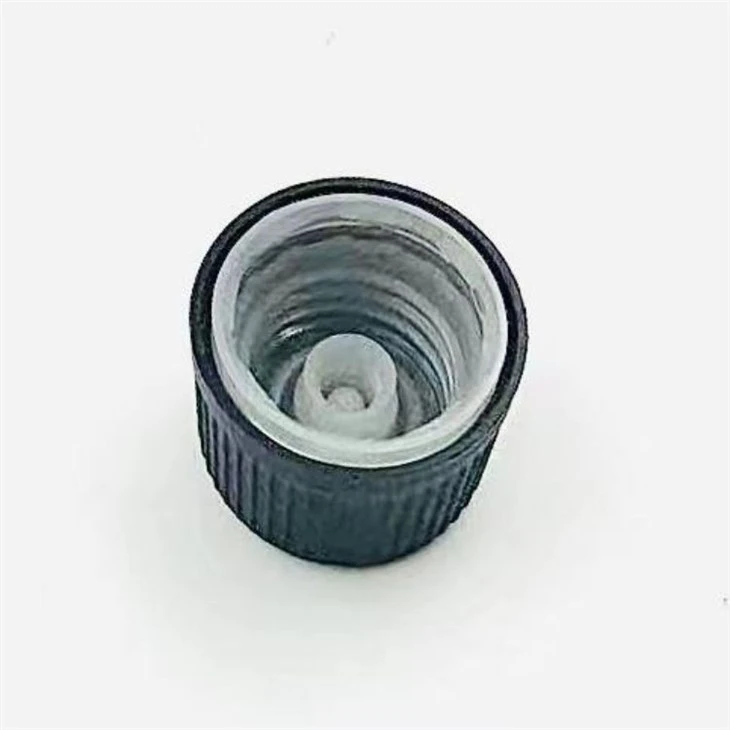
As a plastic cap supplier, we have a responsibility to promote sustainable practices in the industry. We are committed to providing high - quality plastic caps that are designed with recycling in mind. Our Plastic Child Proof Cap is a prime example of our dedication to both safety and sustainability. It is made from recyclable polypropylene, ensuring that it can be easily integrated into the recycling stream.
We also work closely with our clients to educate them about the importance of proper recycling practices. We encourage them to separate plastic caps from containers before recycling and to choose caps made from recyclable materials. By collaborating with our clients, we can create a more circular economy for plastic caps, where they are reused and recycled instead of being discarded.
Challenges and Solutions in the Recycling Process
Despite the potential for recycling plastic caps, there are still several challenges that need to be addressed. One of the main challenges is the lack of consumer awareness. Many people are not aware that plastic caps can be recycled or how to recycle them properly. This leads to a significant amount of plastic caps being discarded in landfills or littered in the environment.
To overcome this challenge, we need to increase public education and awareness about plastic recycling. This can be done through various channels, such as social media campaigns, educational programs in schools, and public service announcements. By informing consumers about the importance of recycling plastic caps and providing clear instructions on how to do it, we can encourage more people to participate in the recycling process.
Another challenge is the economic viability of recycling plastic caps. Recycling facilities need to invest in specialized equipment to sort and process plastic caps, which can be costly. Additionally, the market for recycled plastic caps may be limited, as some manufacturers prefer to use virgin materials due to concerns about quality and consistency.
To address this issue, governments and industry stakeholders need to provide incentives for recycling plastic caps. This can include financial subsidies for recycling facilities, tax breaks for manufacturers that use recycled plastic caps, and research and development funding to improve the quality and performance of recycled plastic caps.
The Future of Plastic Cap Recycling
The future of plastic cap recycling looks promising. With the continuous advancement of recycling technology and the growing awareness of environmental issues, more and more plastic caps are being recycled. In addition, there is a trend towards the development of biodegradable and compostable plastic caps, which can provide an alternative to traditional plastic caps.
However, to fully realize the potential of plastic cap recycling, we need to work together as an industry. Plastic cap suppliers, manufacturers, recycling facilities, and consumers all have a role to play in creating a more sustainable future. By promoting recycling, reducing waste, and investing in new technologies, we can ensure that plastic caps are no longer a burden on the environment but a valuable resource.
Conclusion
In conclusion, plastic caps can be recycled with other plastics, but it requires proper sorting and processing. As a plastic cap supplier, we are committed to promoting sustainable practices and providing products that are designed for recycling. Our Plastic Child Proof Cap is a testament to our dedication to both safety and environmental responsibility.
If you are interested in purchasing high - quality, recyclable plastic caps for your products, we invite you to contact us for a procurement discussion. We look forward to working with you to create a more sustainable future for plastic caps.
References
- American Chemistry Council. (2023). Plastic Recycling Basics.
- European Plastic Converters. (2023). Recycling of Plastic Caps and Closures.
- United Nations Environment Programme. (2023). Global Plastics Outlook: Challenges and Opportunities.