

Can cork stoppers be used for herbal tincture bottles?
Jan 19, 2026
Leave a message
Can cork stoppers be used for herbal tincture bottles? That's a question I get asked a lot as a cork stopper supplier. And the answer is a resounding yes! But let me break it down for you and explain why cork stoppers are actually a great choice for herbal tincture bottles.
The Basics of Herbal Tinctures
First off, let's talk about herbal tinctures. These are concentrated liquid extracts made from herbs. They're usually made by soaking herbs in alcohol or a mixture of alcohol and water. The alcohol helps to draw out the active compounds in the herbs, creating a potent medicine or supplement.
Herbal tinctures are popular because they're easy to take, have a long shelf - life, and are more concentrated than herbal teas. But to keep them fresh and effective, it's important to store them properly. That's where the choice of a stopper for the bottle comes in.

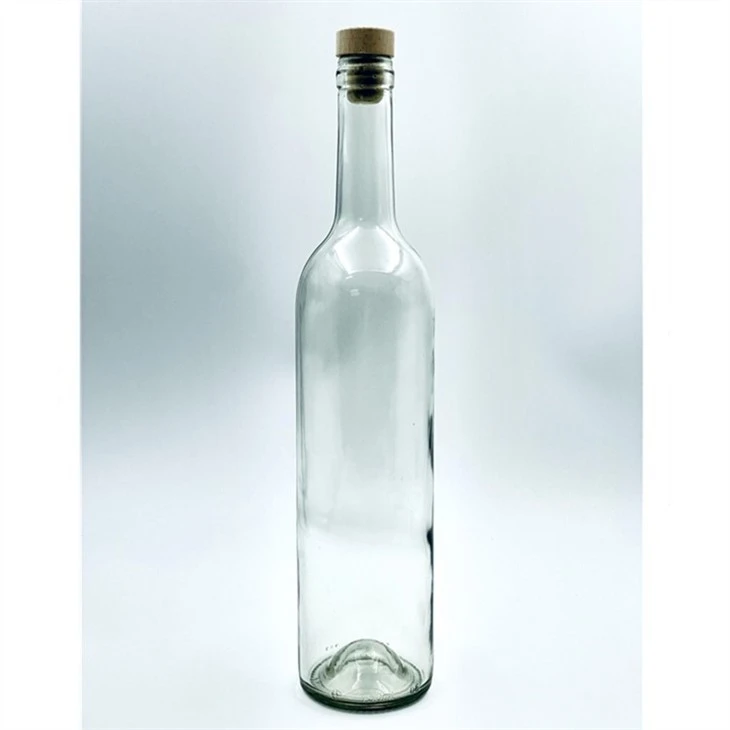
Why Cork Stoppers are Ideal for Herbal Tinctures
1. Natural and Safe
One of the great things about cork stoppers is that they're all - natural. They come from the bark of cork oak trees, specifically the Quercus suber. These trees are harvested in a sustainable way, and the bark regenerates after each harvest.
When it comes to herbal tinctures, which are often used for health purposes, using a natural stopper is a big plus. You don't have to worry about any harmful chemicals leaching into the tincture. Unlike some plastic or synthetic stoppers, cork is non - toxic and won't react with the herbal compounds in the tincture.
2. Breathability
Cork is a unique material because it's breathable. It has thousands of tiny air cells that allow a very small amount of air to pass through. This might seem counterintuitive when you're trying to preserve a tincture, but in fact, a little bit of oxygen exchange can be beneficial.
For herbal tinctures, a small amount of air can help prevent the growth of anaerobic bacteria. These are bacteria that can thrive in low - oxygen environments. The gentle breathability of cork can help keep the tincture stable and prevent spoilage.
3. Good Seal
Despite its breathability, cork can create a tight seal. When you insert a cork stopper into a bottle, it expands slightly to fit the neck of the bottle snugly. This helps to prevent the escape of the alcohol and other volatile components in the tincture.
A good seal also protects the tincture from dust, dirt, and other contaminants. It ensures that the tincture remains pure and effective for as long as possible.
4. Aesthetic Appeal
Let's not forget about the look. Cork stoppers give herbal tincture bottles a classic, natural look. They add a touch of elegance and authenticity, which can be important for brands that want to convey a sense of quality and traditional craftsmanship.
Our Natural Cork Stoppers
At our company, we offer high - quality Natural Cork Stoppers. We source our cork from the best suppliers in regions known for their high - quality cork production.
Our cork stoppers are carefully processed to ensure they meet the highest standards. We clean and sterilize them to make sure they're safe for use with herbal tinctures. They come in a variety of sizes to fit different bottle necks, so you can find the perfect fit for your tincture bottles.
The Science Behind Cork and Herbal Tinctures
There's some scientific evidence to back up the use of cork stoppers for herbal tinctures. A study published in the Journal of Ethnopharmacology found that natural cork stoppers had a minimal impact on the chemical composition of herbal extracts stored in glass bottles. The study monitored the stability of the active compounds in the extracts over a period of several months and found that cork was a reliable and safe option for storage.
Another aspect is the interaction between the cork and the alcohol in the tincture. Alcohol is a common solvent in herbal tinctures, and cork has been shown to be resistant to the effects of alcohol. It doesn't dissolve or degrade over time when in contact with alcohol, which means it can keep the tincture intact.
Potential Concerns and How to Address Them
1. Cork Taint
One concern that some people have is cork taint. This is a musty or moldy smell that can sometimes be present in cork stoppers. It's caused by a chemical called TCA (2,4,6 - trichloroanisole), which can develop in the cork during processing or storage.
At our company, we take great care to prevent cork taint. We use advanced testing methods to detect any signs of TCA in the cork. Only corks that pass our strict quality control measures are used in our products.
2. Compatibility with Different Herbs
Some herbs may have unique chemical properties, and you might wonder if cork will interact with them. In general, cork is compatible with most herbal tinctures. However, if you're working with a particularly strong or reactive herb, it's a good idea to conduct a small - scale test.
You can fill a few bottles with the tincture, seal them with cork stoppers, and monitor them over a period of time. Check for any changes in color, smell, or taste of the tincture. If there are no noticeable changes, then the cork is likely a good fit.
Conclusion: A Great Match
In conclusion, cork stoppers are an excellent choice for herbal tincture bottles. They're natural, provide a good seal, have a bit of breathability, look great, and are scientifically proven to be a reliable option for storing herbal tinctures.
If you're in the business of making herbal tinctures, or if you're looking to source high - quality cork stoppers for your product packaging, I encourage you to get in touch. We'd be happy to discuss your needs, provide samples, and work with you to find the perfect cork stoppers for your herbal tincture bottles. Reach out to us, and let's start a conversation about how our cork stoppers can enhance your products.
References
- Journal of Ethnopharmacology study on the storage of herbal extracts with natural cork stoppers.
- Various industry reports on the properties of cork and its use in the beverage and pharmaceutical industries.