

Which is more popular, plastic or metal crown caps?
Jan 14, 2026
Leave a message
In the packaging industry, crown caps play a crucial role in ensuring the quality and safety of beverages and other products. Two of the most common materials used for crown caps are plastic and metal. As a seasoned crown cap supplier, I've witnessed the shifting landscapes of market preferences, technological advancements, and consumer demands. In this blog, I'll delve into the popularity of plastic and metal crown caps, exploring their characteristics, applications, and market trends.
The Basics of Plastic and Metal Crown Caps
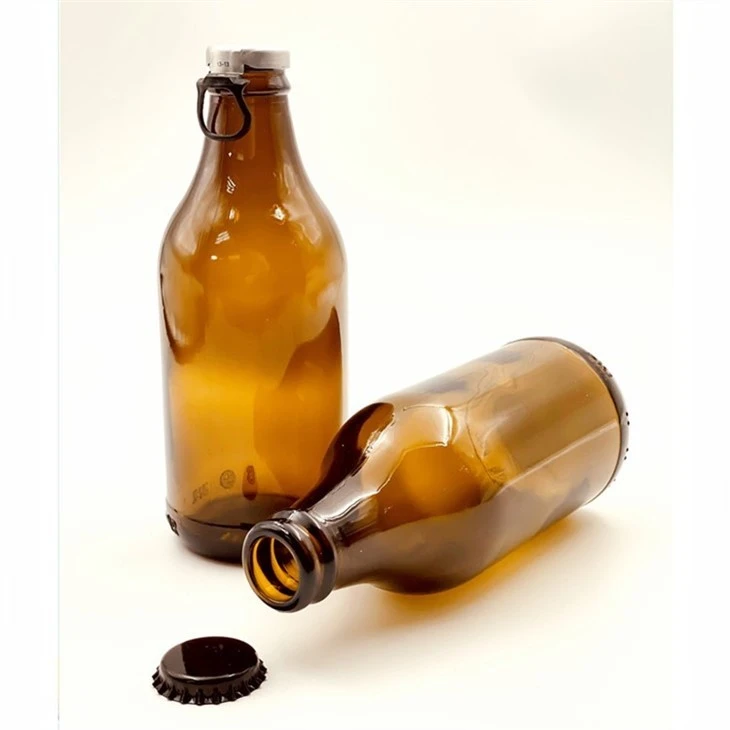
Let's start by understanding what plastic and metal crown caps are. Metal crown caps, typically made of tin - plated steel, have been around for over a century. They are well - known for their durability, ability to form a tight seal, and their classic appearance. These caps are commonly associated with beer bottles, but they are also used in other carbonated and non - carbonated beverages.
On the other hand, plastic crown caps are a more recent innovation. They are usually made from polymers such as polyethylene or polypropylene. Plastic caps offer a lightweight and cost - effective alternative to metal caps. They come in a wide range of colors and can be easily customized, making them attractive to brand owners.
Advantages of Metal Crown Caps
Metal crown caps have several advantages that contribute to their continued popularity. One of the key benefits is their excellent sealing properties. The snug fit of a metal crown cap helps to keep carbonation in and prevent the entry of oxygen, which can spoil the beverage. This is particularly important for carbonated drinks like beer, where maintaining the right level of carbonation is crucial for the taste and quality.
In addition, metal caps convey a sense of tradition and quality. Many consumers associate the "pop" sound of a metal crown cap being opened with a premium beverage experience. For craft breweries and high - end beverage brands, the use of metal caps can enhance the perceived value of their products.
Another advantage of metal caps is their recyclability. Tin - plated steel is a highly recyclable material, which is in line with the growing environmental concerns of consumers and regulatory requirements. Recycling metal crown caps helps to conserve natural resources and reduce the carbon footprint of the beverage industry.
Advantages of Plastic Crown Caps
Plastic crown caps also have their own set of advantages. Firstly, they are lightweight, which reduces shipping costs. This is a significant factor for large - scale beverage producers who need to transport vast quantities of products. Additionally, the lightweight nature of plastic caps is also beneficial for consumers who prefer easy - to - carry beverage options.
Plastic caps are highly customizable. They can be molded into different shapes, colors, and designs, allowing brand owners to create unique packaging that stands out on the shelves. This is a valuable marketing tool in a competitive marketplace where differentiation is key.
From a production perspective, plastic caps are easier to manufacture compared to metal caps. The injection - molding process used for making plastic caps is relatively simple and can be automated, resulting in higher production speeds and lower costs.
Market Trends and Popularity
The popularity of plastic and metal crown caps varies depending on the region and the type of product. In the beer industry, metal crown caps still dominate, especially for traditional and premium beer brands. The classic appeal of the metal cap, combined with its excellent sealing properties, makes it the preferred choice for many brewers. If you're interested in beer crown caps, you can check out our Beer Crown Cap page.
However, in recent years, the demand for plastic crown caps has been on the rise. This is particularly true in the non - carbonated beverage market, such as bottled water, juices, and energy drinks. The lightweight and customizable nature of plastic caps make them well - suited for these types of products.
In some emerging markets, plastic crown caps are becoming more popular due to their lower cost. Smaller beverage producers, who are more price - sensitive, are increasingly turning to plastic caps to reduce their packaging expenses.
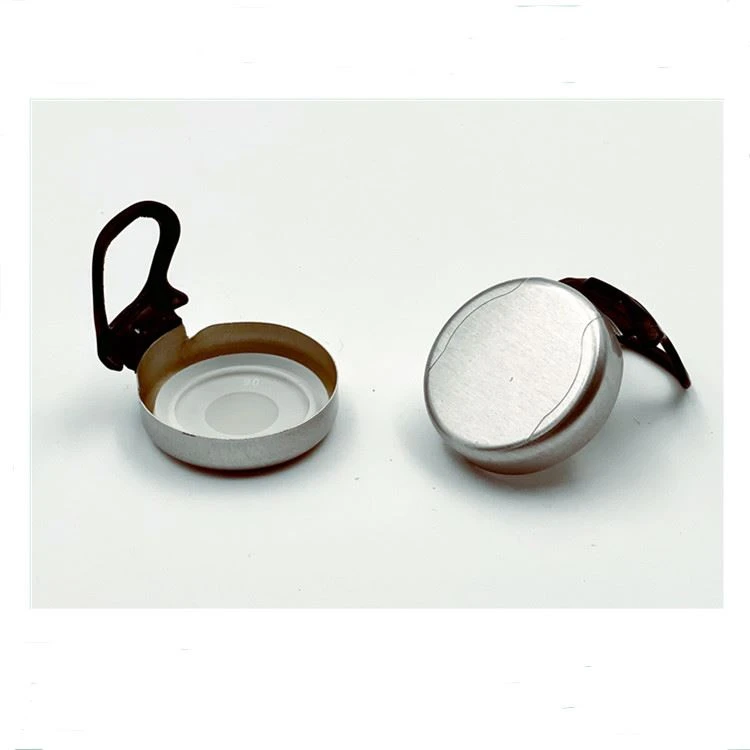
Another trend is the use of ring - pull crown caps. These caps offer a convenient way to open bottles without the need for a bottle opener. Both plastic and metal variants of ring - pull crown caps are available in the market. For more information on this innovative type of cap, visit our Ring Pull Crown Cap page.
Consumer Preferences
Consumer preferences also play a role in determining the popularity of plastic and metal crown caps. Some consumers prefer the traditional feel and sound of opening a metal - capped bottle. They view it as a part of the overall beverage - drinking experience, especially when it comes to beer. On the other hand, younger consumers may be more receptive to plastic caps, especially if they value convenience and novelty.
Environmental concerns are also influencing consumer behavior. While both plastic and metal caps can be recycled, there is a growing awareness of the environmental impact of single - use plastics. As a result, some consumers may opt for products with metal caps, perceiving them as a more eco - friendly option. However, the plastic industry is also making efforts to improve the recyclability of plastic crown caps and develop more sustainable materials.
Industry Challenges and Opportunities
Both the plastic and metal crown cap industries face challenges and opportunities. For metal caps, one of the main challenges is the increasing cost of raw materials, such as tin - plated steel. Fluctuations in metal prices can impact the profitability of crown cap manufacturers. However, the growing demand for sustainable packaging presents an opportunity for metal caps, as their high recyclability is a major selling point.
Plastic caps, on the other hand, face challenges related to environmental perception. The negative publicity surrounding plastic pollution has led to increased scrutiny of plastic packaging. To address this, the industry is investing in research and development to create more sustainable plastic materials and improve recycling rates. At the same time, the growing demand for lightweight and customizable packaging provides opportunities for plastic cap manufacturers.
Future Outlook
The future of plastic and metal crown caps is likely to be shaped by a combination of factors, including technological advancements, changing consumer preferences, and environmental regulations. It's possible that we'll see more hybrid solutions in the future, where the advantages of both plastic and metal are combined to create even better - performing crown caps.
For example, there may be developments in coatings that can enhance the barrier properties of plastic caps, making them more suitable for carbonated beverages. At the same time, metal cap manufacturers may explore new design features to make their caps even more user - friendly.
Conclusion
In conclusion, both plastic and metal crown caps have their own unique advantages and are popular in different segments of the market. Metal crown caps are still the go - to choice for many traditional and premium beverage brands, thanks to their excellent sealing properties and classic appeal. Plastic crown caps, on the other hand, are growing in popularity, especially in the non - carbonated beverage market, due to their lightweight, customizability, and cost - effectiveness.
As a crown cap supplier, I understand the importance of providing high - quality products that meet the diverse needs of our customers. Whether you're looking for the traditional charm of a metal crown cap or the modern flexibility of a plastic one, we have the expertise and resources to support your packaging requirements.
If you're interested in discussing your crown cap needs or exploring potential procurement opportunities, don't hesitate to reach out. We're always happy to have in - depth conversations about how we can meet your specific demands and contribute to the success of your brand.
References
- "The Packaging Handbook" by Hanser Gardner Publications
- Industry reports from leading market research firms in the packaging sector
- Academic studies on the environmental impact of packaging materials