

What is the manufacturing process of a crown cap liner?
Oct 20, 2025
Leave a message
Hey there! As a crown cap supplier, I often get asked about the manufacturing process of a crown cap liner. It's a pretty interesting topic, and I'm excited to share all the details with you.
First off, let's talk about what a crown cap liner is and why it's so important. A crown cap liner is the little piece inside the crown cap that seals the bottle. It plays a crucial role in keeping the contents fresh and preventing any leakage. Without a good liner, your beer, soda, or other beverages could go flat or spoil.
Step 1: Material Selection
The first step in the manufacturing process is choosing the right materials for the liner. There are several types of materials that can be used, but the most common ones are polyethylene (PE), polyvinyl chloride (PVC), and paperboard.
- Polyethylene (PE): This is a popular choice because it's flexible, durable, and resistant to moisture. It also has good sealing properties, which helps to keep the contents of the bottle fresh.
- Polyvinyl Chloride (PVC): PVC is another commonly used material. It's known for its excellent chemical resistance and can withstand a wide range of temperatures. However, it's not as environmentally friendly as PE.
- Paperboard: Paperboard liners are often used for non - carbonated beverages. They are relatively inexpensive and can provide a good seal. But they are not as effective in preventing leakage as plastic liners.
Step 2: Mixing and Compounding
Once the material is selected, it's time to mix and compound it. If it's a plastic liner like PE or PVC, additives are added to improve its properties. These additives can include antioxidants to prevent the material from breaking down over time, plasticizers to make it more flexible, and colorants to give it the desired appearance.
The mixing process usually takes place in a large mixer. The raw materials and additives are carefully measured and added to the mixer, and then they are blended together at a specific temperature and speed until a homogeneous mixture is achieved.
Step 3: Forming the Liners
There are a few different methods for forming the liners, and the most common one is injection molding. In injection molding, the mixed material is heated until it becomes molten. Then, it's injected into a mold cavity that has the shape of the liner.
The mold is designed to create the exact size and shape of the liner needed for the crown cap. Once the molten material is injected into the mold, it's cooled and solidified. After that, the mold is opened, and the newly formed liner is ejected.
Another method is compression molding. In compression molding, a pre - measured amount of the material is placed in a mold cavity. Then, a heated platen is pressed down on the material, compressing it into the shape of the liner. This method is often used for larger liners or when a more precise shape is required.
Step 4: Printing and Decoration (Optional)
Some crown cap liners may require printing or decoration. This can be done using various printing techniques such as offset printing, screen printing, or digital printing. Printing on the liner can add branding, product information, or other decorative elements.
For example, a beer company might want to print its logo or a catchy slogan on the liner of its crown caps. The printing process needs to be carefully controlled to ensure that the ink adheres properly to the liner material and that the print quality is high.
Step 5: Quality Control
Quality control is a crucial step in the manufacturing process. Each liner is inspected to make sure it meets the required standards. This includes checking the size, shape, thickness, and sealing properties of the liner.
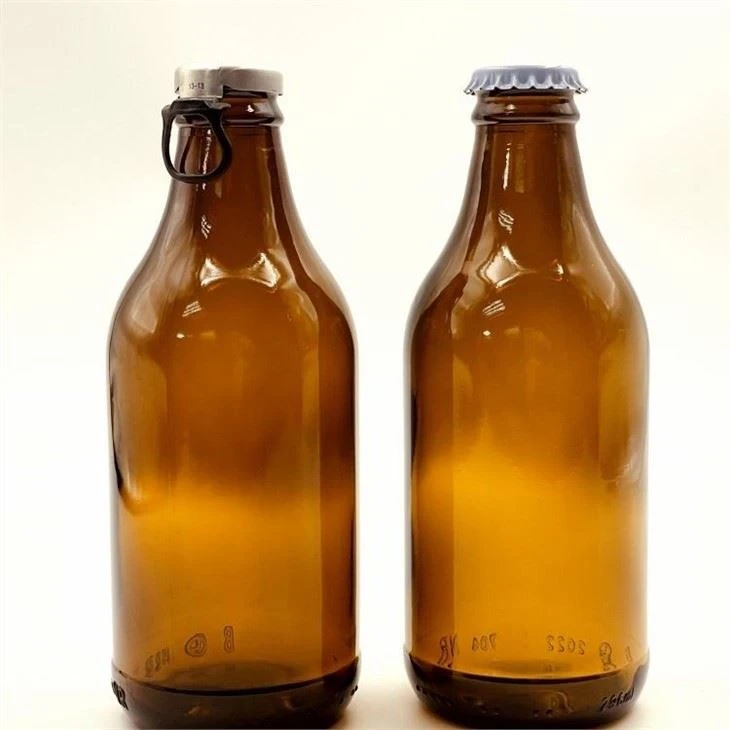
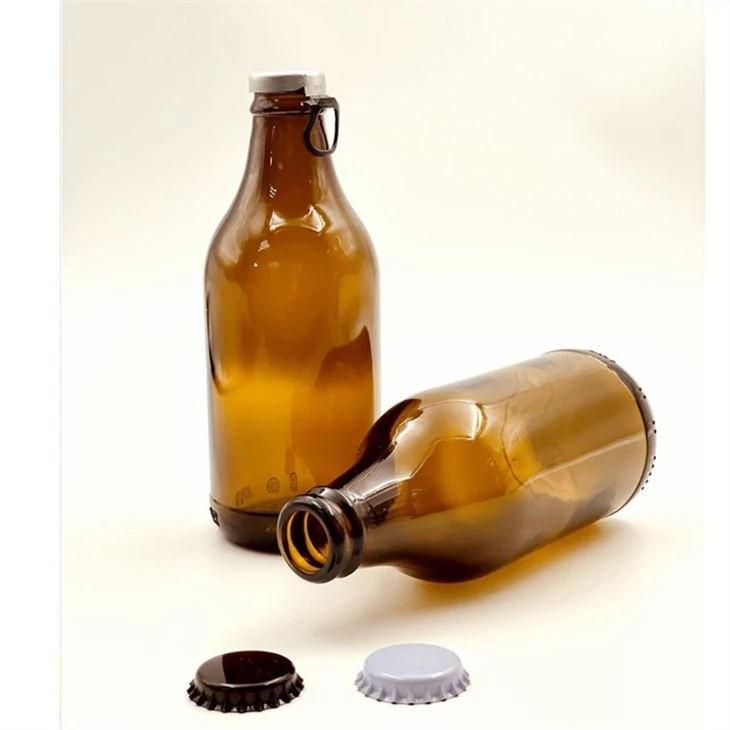
There are several ways to perform quality control. Visual inspection is often the first step. Workers look for any visible defects such as cracks, bubbles, or uneven surfaces. In addition, there are also automated testing machines that can measure the thickness of the liner, its hardness, and its sealing performance.
If a liner fails the quality control test, it's removed from the production line and either recycled or discarded. Only the liners that pass all the quality control checks are used in the final assembly of the crown caps.
Step 6: Assembly with Crown Caps
Once the liners are ready and have passed quality control, they are assembled with the crown caps. This is usually done using an automated assembly machine. The machine picks up the liners and places them inside the crown caps.
The assembly process needs to be precise to ensure that the liner is properly seated inside the cap and that it provides a good seal. After the assembly, the crown caps are ready to be packaged and shipped to the customers.
Different Types of Crown Caps
As a crown cap supplier, we offer a variety of crown caps, including Ring Pull Crown Cap and Beer Crown Cap.
- Ring Pull Crown Cap: These caps are designed with a ring pull, which makes it easy to open the bottle without the need for a bottle opener. They are often used for beverages that are consumed on - the - go, such as energy drinks or ready - to - drink cocktails.
- Beer Crown Cap: Beer crown caps are the most common type of crown caps. They are designed to provide a tight seal to keep the carbonation in the beer. They also often have a decorative design to match the branding of the beer.
Why Choose Our Crown Caps?
We take pride in our high - quality crown caps and liners. Our manufacturing process is carefully controlled to ensure that every cap and liner meets the highest standards. We use the latest technology and equipment to produce consistent and reliable products.
In addition, we offer a wide range of customization options. Whether you need a specific color, print, or liner material, we can work with you to meet your requirements. Our team of experts is always ready to provide you with professional advice and support.
If you're in the market for crown caps or have any questions about our products, don't hesitate to get in touch. We're here to help you find the perfect solution for your packaging needs. Contact us today to start a discussion about your procurement requirements, and let's work together to make your products stand out on the shelves.
References
- Packaging Machinery Manufacturers Institute. (20XX). Handbook of Packaging Machinery.
- Plastics Industry Association. (20XX). Plastic Materials and Their Applications.
- Beverage Packaging Technology Journal. (20XX). Advances in Crown Cap and Liner Manufacturing.