

What is the alcohol content of a typical whiskey bottle?
Oct 31, 2025
Leave a message
When it comes to the world of spirits, whiskey stands out as a timeless and beloved beverage. As a whiskey bottle supplier, I've had the privilege of being closely involved in the industry, witnessing the diverse range of products that make their way to consumers. One question that often arises among enthusiasts and buyers alike is, "What is the alcohol content of a typical whiskey bottle?" In this blog post, I'll delve into this topic, exploring the factors that influence alcohol content, the standard ranges, and how it impacts the overall whiskey experience.
Understanding Alcohol by Volume (ABV)
Alcohol content in spirits is typically measured in terms of Alcohol by Volume (ABV). ABV represents the percentage of pure alcohol in a given volume of the liquid. For example, a whiskey with an ABV of 40% means that 40% of the total volume of the bottle is pure alcohol, while the remaining 60% consists of water, flavor compounds, and other substances.
Standard Alcohol Content of Whiskey
The alcohol content of whiskey can vary widely depending on several factors, including the type of whiskey, the production process, and the brand's preferences. However, there are some general guidelines that can help us understand what to expect from a typical whiskey bottle.
Blended Whiskey
Blended whiskey is one of the most common types of whiskey available on the market. It is made by combining different types of whiskies, often including a blend of malt and grain whiskies. The alcohol content of blended whiskey typically ranges from 40% to 46% ABV. This range is considered standard for many commercial blended whiskies and provides a good balance between flavor and potency.
Single Malt Whiskey
Single malt whiskey is made from malted barley and distilled at a single distillery. It is often regarded as a premium type of whiskey and is known for its complex flavors and aromas. The alcohol content of single malt whiskey can vary more widely than blended whiskey, typically ranging from 40% to 60% ABV. Some single malt whiskies are bottled at cask strength, which means they are bottled directly from the cask without being diluted with water. These cask-strength whiskies can have an ABV of 50% or higher, offering a more intense and robust flavor profile.
Bourbon Whiskey
Bourbon whiskey is a type of American whiskey that is made primarily from corn and aged in charred oak barrels. To be classified as bourbon, the whiskey must be made in the United States and meet certain legal requirements, including having an ABV of at least 40%. The alcohol content of bourbon whiskey typically ranges from 40% to 50% ABV, with many popular brands falling around the 40% to 45% range.
Rye Whiskey
Rye whiskey is another type of American whiskey that is made primarily from rye grain. It has a spicy and robust flavor profile and is often used in cocktails. The alcohol content of rye whiskey typically ranges from 40% to 50% ABV, similar to bourbon whiskey.
Factors Influencing Alcohol Content
Several factors can influence the alcohol content of a whiskey bottle. Understanding these factors can help us appreciate the complexity of the whiskey-making process and the choices that distillers make.
Distillation Process
The distillation process plays a crucial role in determining the alcohol content of whiskey. During distillation, the fermented mash is heated, and the alcohol vapor is collected and condensed into a liquid. The number of distillations and the type of still used can affect the alcohol content of the final product. Generally, multiple distillations result in a higher alcohol content, as more of the water and impurities are removed.
Aging Process
The aging process also has an impact on the alcohol content of whiskey. As whiskey ages in oak barrels, it undergoes a series of chemical reactions that can affect its flavor, aroma, and alcohol content. Over time, some of the alcohol may evaporate through the pores of the barrel, a phenomenon known as the "angel's share." This can result in a slight decrease in the alcohol content of the whiskey over time. However, the aging process also allows the whiskey to develop more complex flavors and aromas, which can enhance the overall drinking experience.
Dilution
After distillation and aging, many whiskies are diluted with water to reach the desired alcohol content for bottling. This is done to ensure consistency in the product and to make the whiskey more palatable for consumers. The amount of water added during dilution can vary depending on the distiller's preferences and the style of whiskey. Some whiskies are bottled at cask strength, without any additional water added, while others are diluted to a lower ABV.
Impact of Alcohol Content on the Whiskey Experience
The alcohol content of a whiskey bottle can have a significant impact on the overall drinking experience. Higher alcohol content whiskies tend to have a more intense and robust flavor profile, with stronger notes of alcohol and a more pronounced burn. These whiskies are often best enjoyed neat or on the rocks, allowing the flavors and aromas to shine through.
On the other hand, lower alcohol content whiskies are generally smoother and more approachable, with a milder flavor profile. They are often more suitable for mixing in cocktails or for those who prefer a lighter and more refreshing drink.
Ultimately, the choice of alcohol content depends on personal preference. Some whiskey enthusiasts enjoy the bold and intense flavors of high-proof whiskies, while others prefer the smoother and more balanced taste of lower-proof whiskies. It's all about finding the whiskey that suits your palate and drinking style.
Our Whiskey Bottle Offerings
As a whiskey bottle supplier, we offer a wide range of high-quality bottles to meet the needs of our customers. Whether you're a distiller looking for the perfect bottle to showcase your whiskey or a retailer in search of unique and attractive packaging, we have you covered.
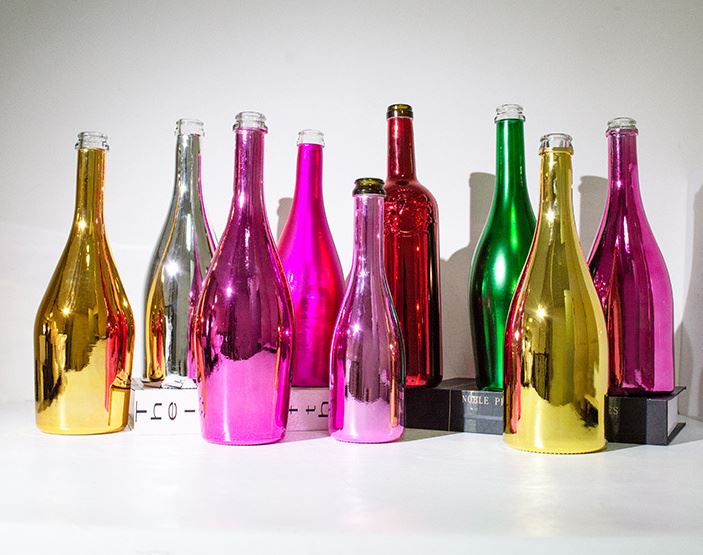
One of our popular products is the Electroplating Whiskey Bottle. This bottle features a stunning electroplated finish that adds a touch of elegance and sophistication to any whiskey. The electroplating process not only enhances the visual appeal of the bottle but also provides a protective layer that helps to preserve the quality of the whiskey inside.
We also offer the 750 Ml Tequila Glass Bottle, which is a versatile and classic option for whiskey packaging. The 750 ml size is a standard size for many spirits, making it a popular choice among distillers and retailers. The glass construction of the bottle allows for easy visibility of the whiskey inside, while also providing a durable and long-lasting container.

Another option is the 750ml Square Whiskey Bottle. This unique bottle design offers a modern and contemporary look that stands out on the shelf. The square shape of the bottle provides a stable base and makes it easy to stack and store. It's a great choice for distillers who want to differentiate their whiskey from the competition.
Contact Us for Your Whiskey Bottle Needs
If you're interested in learning more about our whiskey bottle offerings or have any questions about our products, please don't hesitate to contact us. We're here to help you find the perfect bottle for your whiskey and to provide you with the best possible service.
Whether you're a small craft distiller or a large-scale producer, we have the expertise and resources to meet your needs. Our team of professionals will work closely with you to understand your requirements and to provide you with customized solutions that fit your budget and timeline.
So, if you're ready to take your whiskey to the next level with high-quality packaging, contact us today. We look forward to hearing from you and helping you achieve your goals in the whiskey industry.
References
- "Whiskey: A Global History" by Dave Broom
- "The World Atlas of Whiskey" by Jim Murray
- "The Complete Book of Whiskey" by Charles MacLean