

How to clean cork stoppers?
Jul 28, 2025
Leave a message
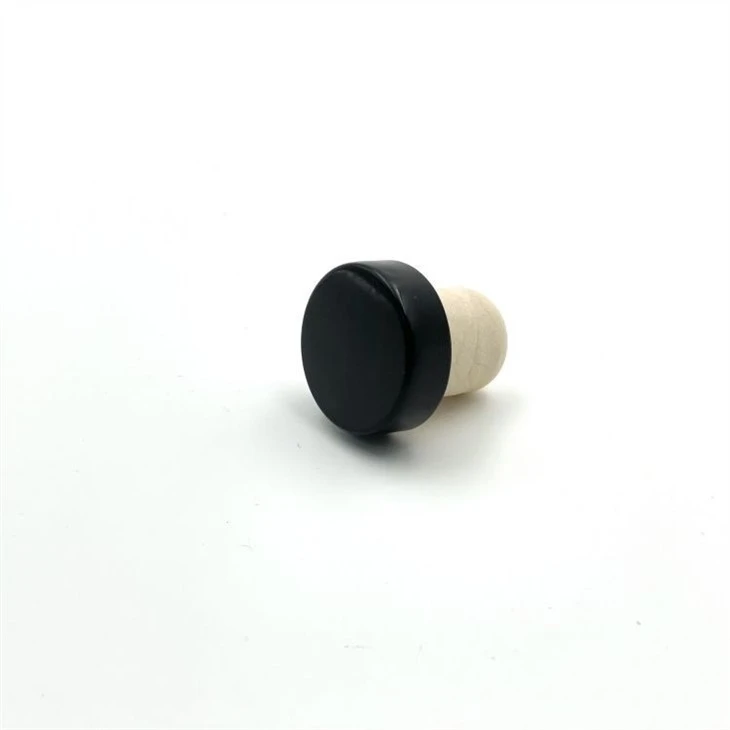
Hey there! As a cork stoppers supplier, I often get asked about how to clean cork stoppers. Well, you're in the right place because I'm gonna share some top - notch tips on this topic.
First off, let's talk about why cleaning cork stoppers is important. Cork is a natural material, and it's great for sealing bottles, especially wine bottles. But over time, it can get dirty. You might find some wine residue, dust, or even mold on it. If you don't clean it properly, it could affect the quality of the next bottle you seal with it, or it might not look so good.
Materials You'll Need
Before you start cleaning, gather these basic materials. You'll need a mild dish soap, a soft - bristled brush (like an old toothbrush), a clean cloth, and some warm water. That's pretty much all you need for a basic cleaning job.
Step - by - Step Cleaning Process
1. Pre - Inspection
Take a good look at your cork stoppers. Check for any signs of damage, like cracks or large chunks missing. If a cork is severely damaged, it's probably not worth cleaning because it won't be able to seal properly. Also, look for any obvious dirt or stains. This will give you an idea of how much cleaning each cork needs.
2. Soaking
Fill a bowl with warm water and add a small amount of mild dish soap. Stir it gently to create some suds. Now, place the cork stoppers in the soapy water. Let them soak for about 10 - 15 minutes. This will help to loosen up any dirt and grime that's stuck to the cork.
During this soaking time, the soap will break down the oils and residues on the cork surface. Just make sure not to use hot water because it can damage the cork's structure. Hot water might cause the cork to expand and lose its shape, which is a big no - no.
3. Scrubbing
After soaking, take each cork out of the soapy water one by one. Grab your soft - bristled brush and start gently scrubbing the cork. Pay extra attention to the areas with stains or visible dirt. For example, if there's some dried - on wine at the bottom of the cork, use the brush to carefully work it loose.
Don't scrub too hard, though. Cork is a delicate material, and excessive scrubbing can damage it. A light, circular motion is usually enough to get the job done. You can also use the brush to clean the sides of the cork, making sure to reach all the nooks and crannies.
4. Rinsing
Once you've scrubbed all the cork stoppers, it's time to rinse them. Hold each cork under running warm water. Make sure to rinse off all the soap residue. You can also swish the corks around in a bowl of clean warm water if you prefer.
It's important to get rid of all the soap because any leftover soap could affect the taste of the wine or whatever liquid the cork will be used to seal later.
5. Drying
After rinsing, gently pat the corks dry with a clean cloth. Then, place them on a clean, dry surface to air - dry completely. Avoid using a hair dryer or any other artificial heat source to speed up the drying process. Heat can damage the cork, and it's best to let it dry naturally.
Depending on the humidity and temperature of your environment, it might take a few hours to a full day for the corks to dry completely. Once they're dry, they're ready to be used again.
Dealing with Stubborn Stains
Sometimes, you might encounter some stubborn stains that just won't come off with the basic cleaning process. In such cases, you can try using a mixture of baking soda and water.
Make a paste by mixing equal parts of baking soda and water. Apply the paste to the stained area of the cork using a soft cloth or your brush. Let it sit for about 10 minutes. Then, gently scrub the area again and rinse it off as usual. Baking soda is a natural cleaner and can help to break down tough stains without harming the cork.
Preventing Mold
Mold can be a real problem for cork stoppers, especially if they're stored in a damp environment. To prevent mold growth, make sure to store your corks in a cool, dry place. You can also use a dehumidifier in the storage area if it's particularly humid.
Another tip is to clean your corks regularly, even if they don't look dirty. This will help to keep them in good condition and prevent any potential mold issues.
Our Natural Cork Stoppers
At our company, we offer high - quality Natural Cork Stopper. Our cork stoppers are sourced from the best cork oak forests. They're not only great for sealing your bottles but also have a natural, beautiful look.
We take pride in providing cork stoppers that are clean and ready to use. But if you want to reuse them or just keep them in top - notch condition, following the cleaning tips I've shared will be really helpful.
Contact Us for Purchasing
If you're in the market for cork stoppers, whether it's for your winery, brewery, or any other business that needs bottle sealing solutions, we'd love to hear from you. We can offer you different sizes and quantities of cork stoppers to meet your specific needs.
Just reach out to us, and our team will be more than happy to assist you with your purchase. We can also provide you with more information about our cork stoppers and answer any questions you might have.
References
- "The Handbook of Cork Science and Technology"
- Various industry reports on cork products and their maintenance
So, there you have it - a complete guide on how to clean cork stoppers. I hope these tips will help you keep your corks in great shape and make the most of them.