

How to check if a lotion bottle is leak - proof?
Nov 19, 2025
Leave a message
Hey there! As a lotion bottle supplier, I know how crucial it is to ensure that our products are leak - proof. No one wants to deal with a messy, leaky bottle, right? Whether you're a skincare brand looking for the perfect packaging or a consumer trying to make the best choice, checking the leak - proofness of a lotion bottle is super important. In this blog, I'll share some practical ways to check if a lotion bottle is leak - proof.
Visual Inspection
The first step in checking a lotion bottle's leak - proofness is a simple visual inspection. Start by looking at the bottle itself. Check for any visible cracks, chips, or dents. Even the tiniest crack can lead to leaks over time. For example, if you're considering a Glass Lotion Bottle with Pump, make sure the glass is smooth and free of any imperfections. A crack in the glass can compromise the integrity of the bottle and cause the lotion to seep out.
Next, examine the cap or pump. The cap should fit snugly on the bottle. If it's loose, there's a high chance of leakage. For pump - style bottles, check the pump mechanism. It should be firmly attached to the bottle and not wobbly. A loose pump can allow air to enter the bottle, which might push the lotion out.
Pressure Test
Once you've done the visual inspection, it's time for a pressure test. This test simulates the conditions the bottle might face during shipping or normal use. You can do a simple pressure test at home. First, fill the bottle with water (it's easier and less wasteful than using lotion). Make sure to fill it to the same level as you would with lotion.
Then, tightly close the bottle. If it's a pump - style bottle, prime the pump a few times to get rid of any air bubbles. Now, gently squeeze the bottle. Pay close attention to the seams, the cap, and the pump area. If you see any water leaking out, that's a sign that the bottle is not leak - proof.
Another way to do a pressure test is to place the closed bottle in a plastic bag and squeeze the bag. This creates external pressure on the bottle. If there are any leaks, the water will seep into the plastic bag.
Temperature Test
Temperature changes can also affect the leak - proofness of a lotion bottle. Lotion can expand or contract with temperature variations, which might cause leaks. To perform a temperature test, first, fill the bottle with water and close it tightly.
Put the bottle in the refrigerator for a few hours. Cold temperatures can cause the lotion (or water in our test) to contract. After a few hours, take the bottle out and let it come to room temperature. Check for any signs of leakage.
Next, you can do a heat test. Place the bottle in a warm area, but not too hot to damage the bottle. You can put it near a sunny window or in a slightly warm room. Heat can cause the lotion to expand. After a few hours, check the bottle again for leaks. If the bottle can withstand these temperature changes without leaking, it's likely to be a good, leak - proof bottle.
Vibration Test
During shipping, lotion bottles are often subjected to vibrations. To simulate this, you can do a vibration test. Fill the bottle with water and close it tightly. Place the bottle in a box and shake the box gently for a few minutes. You can also put the box on a vibrating surface, like a washing machine on a gentle cycle.
After the vibration test, check the bottle for any leaks. If there are no leaks, it means the bottle can handle the vibrations it might encounter during shipping.
Long - Term Test
For a more comprehensive check, you can conduct a long - term test. Fill the bottle with lotion and use it as you normally would for a few weeks. Keep an eye on the bottle for any signs of leakage. This test gives you a real - world idea of how the bottle performs over time.
You might notice that a bottle that passed the short - term tests starts to leak after a few weeks of use. This could be due to wear and tear on the cap or the pump.
Material Considerations
The material of the lotion bottle also plays a big role in its leak - proofness. Glass bottles, like the Glass Lotion Bottle with Pump, are generally more rigid and less likely to develop cracks compared to plastic bottles. However, glass can break if dropped, which could lead to leaks.
Plastic bottles are lightweight and less likely to break, but they can be more prone to warping or cracking under certain conditions. The type of plastic used also matters. High - quality plastics are more likely to be leak - proof.
When choosing a lotion bottle, consider the material and how it might affect the leak - proofness. If you're a brand, think about your target market and the shipping conditions. For example, if your products are going to be shipped long - distance, a more durable and leak - proof bottle might be a better choice.
Seal Quality
The seal of the bottle is another important factor. A good seal can prevent leaks. For screw - on caps, the threads should be smooth and fit tightly. If the threads are damaged or the cap doesn't screw on properly, it can lead to leaks.
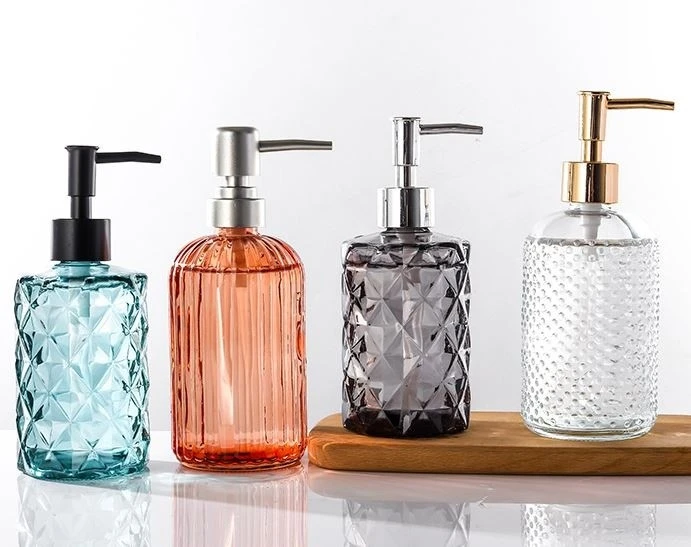

For pump - style bottles, the seal around the pump is crucial. Make sure the seal is intact and fits well. Some pumps come with a silicone or rubber seal that helps to keep the lotion inside the bottle. Check the quality of this seal during your inspection.
Conclusion
Checking if a lotion bottle is leak - proof is not that complicated. By following these simple tests - visual inspection, pressure test, temperature test, vibration test, and long - term test - you can determine if a bottle is suitable for your needs.
As a lotion bottle supplier, I'm always committed to providing high - quality, leak - proof bottles. If you're in the market for lotion bottles, whether you're a skincare brand or a distributor, I'd love to have a chat with you. We can discuss your specific requirements and find the perfect leak - proof solution for your products. Don't hesitate to reach out and start a conversation about your lotion bottle needs.
References
- Packaging Industry Standards for Lotion Bottles
- Practical Testing Methods for Container Leakage