

How do you measure the size of a plastic cap?
Jul 30, 2025
Leave a message
How do you measure the size of a plastic cap? This is a question that often comes up in our line of work as a plastic cap supplier. Accurate measurements are crucial for ensuring that our caps fit perfectly on the containers they are intended for, whether it's a bottle of medicine, a jar of food, or a container of cosmetics. In this blog post, I'll share some of the key methods and considerations for measuring the size of a plastic cap.
Measuring the Diameter
The diameter of a plastic cap is one of the most fundamental measurements. It determines whether the cap will fit snugly on the opening of the container. To measure the diameter, you can use a caliper. A caliper is a precision measuring tool that allows you to get an accurate reading of the distance across the widest part of the cap.

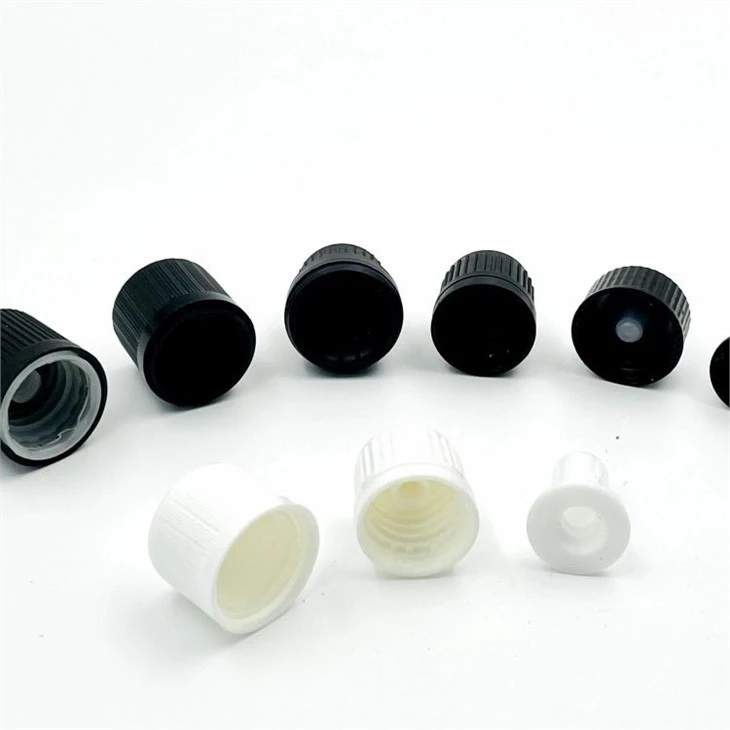
First, make sure the caliper is set to the appropriate measurement unit, either inches or millimeters. Then, carefully place the caliper jaws around the outside of the cap at its widest point. Gently close the jaws until they touch the cap, but be careful not to apply too much pressure as this could distort the shape of the cap and give an inaccurate measurement. Once the jaws are in place, read the measurement on the caliper display.
It's important to take multiple measurements at different points around the cap to ensure consistency. Sometimes, plastic caps may have slight variations in diameter due to the manufacturing process. By taking several measurements and averaging them, you can get a more accurate representation of the cap's true diameter.
Measuring the Height
The height of a plastic cap is another important dimension. It affects the overall appearance of the cap on the container and can also impact its functionality. To measure the height, you can use a ruler or a height gauge.
If using a ruler, place the cap on a flat surface and align the ruler vertically next to the cap. Make sure the ruler is straight and that you are measuring from the bottom of the cap to the top. Read the measurement at the highest point of the cap.
A height gauge is a more precise tool for measuring height. It consists of a base and a vertical measuring arm. Place the cap on the base of the height gauge and lower the measuring arm until it touches the top of the cap. The height gauge will then display the accurate height measurement.
Measuring the Thread Size
Many plastic caps have threads that allow them to screw onto the container. Measuring the thread size is essential to ensure a proper fit. There are two main aspects to consider when measuring thread size: the major diameter and the pitch.
The major diameter of the thread is the outer diameter of the threaded portion of the cap. You can measure it using a caliper in the same way as you measure the overall diameter of the cap. Place the caliper jaws around the outside of the threads at the widest point and take the measurement.
The pitch of the thread refers to the distance between adjacent threads. To measure the pitch, you can use a thread pitch gauge. A thread pitch gauge is a tool with a series of teeth of different sizes. Match the teeth of the gauge to the threads on the cap until you find a perfect fit. The number on the gauge that corresponds to the matching teeth indicates the pitch of the thread.
Measuring the Inner Diameter
In some cases, it may be necessary to measure the inner diameter of a plastic cap. This is particularly important for caps that need to fit over a specific part of the container, such as a spout or a neck. To measure the inner diameter, you can use a small caliper or a bore gauge.
A small caliper can be inserted into the cap to measure the distance across the inside of the opening. Make sure the caliper is centered and that you are measuring at the widest point of the inner diameter.
A bore gauge is a more specialized tool for measuring the inner diameter of holes and cavities. It consists of a measuring head that expands to fit the inside of the cap. By adjusting the measuring head and taking a measurement, you can accurately determine the inner diameter.
Considerations for Measuring Plastic Caps
When measuring plastic caps, there are a few additional considerations to keep in mind.
Temperature and Humidity: Plastic is a material that can be affected by temperature and humidity. Changes in these environmental factors can cause the cap to expand or contract, which may affect the measurements. It's best to measure the caps in a controlled environment with stable temperature and humidity conditions to ensure accurate results.
Manufacturing Tolerances: All manufacturing processes have some degree of tolerance, which means that there may be slight variations in the size of the plastic caps. When specifying the size requirements for your caps, it's important to take these tolerances into account. Work with your supplier to determine the acceptable range of variation for each dimension.
Quality Control: Regular quality control checks are essential to ensure that the plastic caps meet the required size specifications. Set up a system for inspecting a sample of caps from each production batch to verify their dimensions. This will help you identify any issues early on and take corrective action if necessary.
Why Accurate Measurements Matter
Accurate measurements of plastic caps are crucial for several reasons.
Proper Fit: A cap that is the wrong size may not fit properly on the container. It could be too loose, allowing the contents to leak out, or too tight, making it difficult to open. By ensuring accurate measurements, you can guarantee a perfect fit and prevent any potential problems.
Functionality: The size of the cap can also affect its functionality. For example, a cap with the wrong thread size may not screw on or off easily, or a cap that is too short may not provide adequate protection for the contents of the container. Accurate measurements ensure that the cap performs its intended function effectively.
Aesthetics: The appearance of the cap on the container is important for branding and marketing purposes. A cap that is the right size will look more professional and appealing to consumers. Inaccurate measurements can result in a cap that looks out of place or doesn't match the overall design of the product.
Conclusion
Measuring the size of a plastic cap is a precise and important process. By using the right tools and techniques, taking into account environmental factors and manufacturing tolerances, and conducting regular quality control checks, you can ensure that your plastic caps meet the required size specifications.
At our company, we understand the importance of accurate measurements in providing high-quality plastic caps. We use state-of-the-art measuring equipment and have a strict quality control system in place to ensure that every cap we produce meets the highest standards.
If you're in the market for plastic caps, whether it's Plastic Child Proof Cap or other types of caps, we'd love to discuss your requirements with you. Our team of experts can help you choose the right cap size and design for your specific application. Contact us today to start the conversation and explore how we can meet your plastic cap needs.
References
- "Measurement Techniques for Plastic Components." Plastics Engineering Handbook.
- "Quality Control in Plastic Manufacturing." Manufacturing Technology Journal.