

How do you make a plastic cap more durable?
Sep 09, 2025
Leave a message
As a plastic cap supplier, I've spent years in the industry, constantly exploring ways to enhance the durability of our products. Durability is a key factor that influences customer satisfaction and the overall success of our business. In this blog, I'll share some effective strategies and scientific approaches to make plastic caps more durable.
Material Selection
The choice of material is fundamental to the durability of plastic caps. Different plastics have varying properties, and selecting the right one can significantly impact the cap's performance.
High - Density Polyethylene (HDPE)
HDPE is a popular choice for plastic caps due to its high strength - to - weight ratio. It is resistant to moisture, chemicals, and has good impact resistance. Caps made from HDPE can withstand rough handling during transportation and storage. Its crystalline structure gives it excellent stiffness, which helps the cap maintain its shape over time. For example, in the beverage industry, HDPE caps are commonly used on milk and juice containers. They can seal the container tightly, preventing leakage and protecting the contents from spoilage.
Polypropylene (PP)
PP is another versatile plastic used in cap manufacturing. It has a high melting point, which makes it suitable for applications where the cap may be exposed to heat, such as in hot - fill products. PP also offers good chemical resistance and is relatively lightweight. It can be easily molded into different shapes, allowing for the production of caps with complex designs. Additionally, PP has good fatigue resistance, meaning it can withstand repeated opening and closing without cracking or breaking.
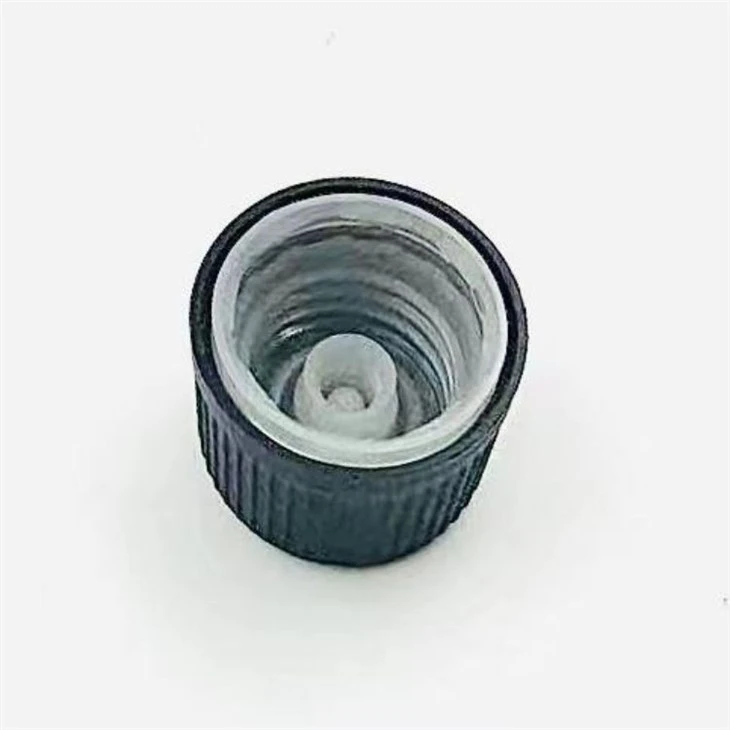
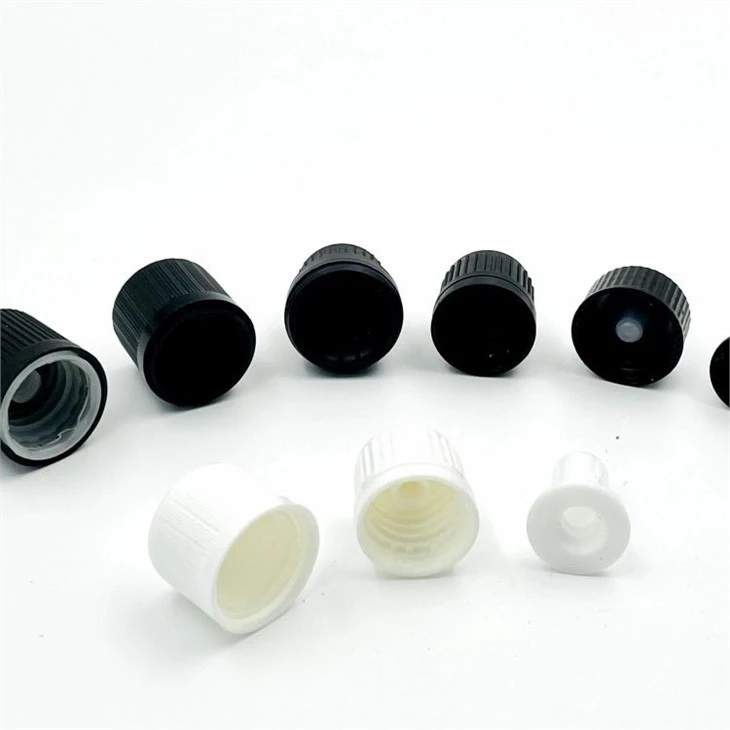
When selecting materials, we also consider the additives that can be incorporated. For instance, UV stabilizers can be added to prevent the plastic from degrading when exposed to sunlight. Antioxidants can be used to protect the plastic from oxidation, which can cause it to become brittle over time.
Design Optimization
The design of a plastic cap plays a crucial role in its durability. A well - designed cap can distribute stress evenly and resist deformation.
Thread Design
The threads on a plastic cap are responsible for creating a secure seal with the container. A proper thread design ensures that the cap can be tightened and loosened easily without stripping the threads. We use advanced engineering techniques to design threads with the right pitch, depth, and angle. For example, a finer pitch can provide a more secure seal, while a well - rounded thread profile can reduce stress concentration and prevent cracking.
Wall Thickness
The wall thickness of the cap needs to be carefully balanced. A cap that is too thin may not be strong enough to withstand the pressure inside the container or the forces applied during handling. On the other hand, a cap that is too thick can be wasteful of material and may be more difficult to mold. We use computer - aided design (CAD) software to simulate the stress distribution in the cap and optimize the wall thickness accordingly. This helps us create caps that are both strong and lightweight.
Ribbing and Reinforcement
Adding ribs or other forms of reinforcement to the cap can significantly increase its strength. Ribs can be strategically placed on the sidewalls or the top of the cap to provide additional support. For example, vertical ribs on the sidewalls can improve the cap's resistance to crushing, while radial ribs on the top can enhance its stiffness.
Manufacturing Process
The manufacturing process can have a profound impact on the durability of plastic caps.
Injection Molding
Injection molding is the most common method for producing plastic caps. During this process, molten plastic is injected into a mold cavity under high pressure. To ensure the durability of the caps, we carefully control the injection parameters, such as temperature, pressure, and injection speed. A consistent temperature is crucial to ensure that the plastic flows evenly into the mold and forms a uniform structure. Too high a temperature can cause the plastic to degrade, while too low a temperature can result in incomplete filling of the mold.
Cooling Process
The cooling process is equally important. Rapid cooling can cause internal stresses in the cap, which can lead to cracking or warping. We use a controlled cooling system to ensure that the cap cools down gradually and evenly. This helps to minimize internal stresses and improve the cap's dimensional stability.
Quality Control
Quality control is an essential part of ensuring the durability of plastic caps. We have a comprehensive quality control system in place to monitor every stage of the production process.
Dimensional Inspection
We use precision measuring tools to check the dimensions of the caps. Any deviation from the specified dimensions can affect the cap's fit and performance. For example, if the diameter of the cap is too large or too small, it may not seal properly with the container.
Sealing Performance Testing
We conduct sealing performance tests to ensure that the caps can create a tight seal. This involves filling the containers with a liquid and subjecting them to different conditions, such as vibration and pressure changes. We then check for any signs of leakage.
Strength Testing
Strength testing is also carried out to evaluate the cap's ability to withstand various forces. We use equipment to apply compressive, tensile, and torsional forces to the caps and measure their resistance. This helps us identify any potential weaknesses in the design or manufacturing process.
Case Study: Plastic Child Proof Cap
One of our successful products is the Plastic Child Proof Cap. This cap is designed to be both durable and child - resistant. We used a combination of HDPE and special additives to make it strong and resistant to damage. The design includes a unique locking mechanism that requires a specific action to open, which not only ensures child safety but also adds to the cap's durability. The threads are designed to be very robust, and the wall thickness is optimized to withstand the forces applied during normal use and the attempts of children to open it. Through rigorous quality control, we have ensured that each cap meets the highest standards of durability and performance.
Conclusion
Making a plastic cap more durable requires a comprehensive approach that involves material selection, design optimization, manufacturing process control, and quality control. By using the latest scientific techniques and best practices, we can produce plastic caps that are not only strong and long - lasting but also meet the specific needs of our customers.
If you are interested in our plastic caps or would like to discuss your specific requirements, we welcome you to contact us for a procurement negotiation. We are committed to providing high - quality, durable plastic caps that meet your expectations.
References
- "Plastics Materials and Processing" by James F. Carley
- "Design for Injection Molding" by Peter C. Malloy
- Industry reports on plastic cap manufacturing and quality control.