

How do you ensure the hygiene of cork stoppers?
Oct 28, 2025
Leave a message
As a cork stopper supplier, ensuring the hygiene of our products is of utmost importance. Cork stoppers are widely used in the wine industry, as well as for other beverages and products, and maintaining their cleanliness and safety is crucial for both the quality of the product they seal and the health of the consumers. In this blog post, I will share the various measures we take to guarantee the hygiene of our cork stoppers.
Sourcing High - Quality Raw Materials
The first step in ensuring the hygiene of cork stoppers starts with the sourcing of raw materials. We carefully select cork oak trees from well - managed forests. These forests are located in regions with a suitable climate and soil conditions, which contribute to the growth of high - quality cork. The cork oak bark is harvested in a sustainable and ethical manner, following strict regulations. This ensures that the raw cork is free from major contaminants at the source.
We work closely with local farmers and foresters who have extensive knowledge of cork harvesting. They are trained to identify healthy trees and use proper techniques for bark extraction. This not only helps in obtaining good - quality cork but also reduces the risk of introducing pathogens or impurities during the harvesting process.
Initial Cleaning and Sorting
Once the cork bark is harvested, it undergoes an initial cleaning process. The bark is washed with clean water to remove any dirt, debris, or surface contaminants such as leaves, twigs, and soil particles. This simple yet essential step helps in getting rid of the most obvious impurities.
After cleaning, the cork bark is sorted based on its quality and thickness. This sorting process is important as it allows us to separate the cork that is suitable for making stoppers from the lower - quality cork. By using only the best - quality cork, we can minimize the chances of internal defects or contaminants that could affect the hygiene of the final product.
Boiling and Sterilization
One of the key steps in ensuring the hygiene of cork stoppers is boiling. The sorted cork pieces are placed in large vats filled with water and boiled for a specific period. Boiling serves multiple purposes. Firstly, it softens the cork, making it easier to process into stoppers. Secondly, and more importantly, it acts as a natural sterilization method. The high temperature of the boiling water kills a wide range of microorganisms, including bacteria, fungi, and yeast.
We carefully control the boiling time and temperature to ensure that the sterilization is effective without causing damage to the cork structure. After boiling, the cork is rinsed thoroughly with clean water to remove any remaining impurities or residues from the boiling process.
Chemical Treatment (Optional)
In some cases, we may use a mild chemical treatment to further enhance the hygiene of the cork stoppers. However, we are very cautious about the chemicals we use. We only select food - grade chemicals that are approved for use in contact with beverages. These chemicals are designed to inhibit the growth of microorganisms and prevent the development of mold and mildew.
For example, we may use a solution of hydrogen peroxide, which is a well - known disinfectant. Hydrogen peroxide breaks down into water and oxygen, leaving no harmful residues on the cork. The treatment is carried out in a controlled environment, and the cork is then rinsed again to remove any traces of the chemical.
Quality Control During Manufacturing
During the manufacturing process of cork stoppers, we have a strict quality control system in place. Every step of the production, from cutting the cork into the right shape and size to the final finishing touches, is closely monitored.

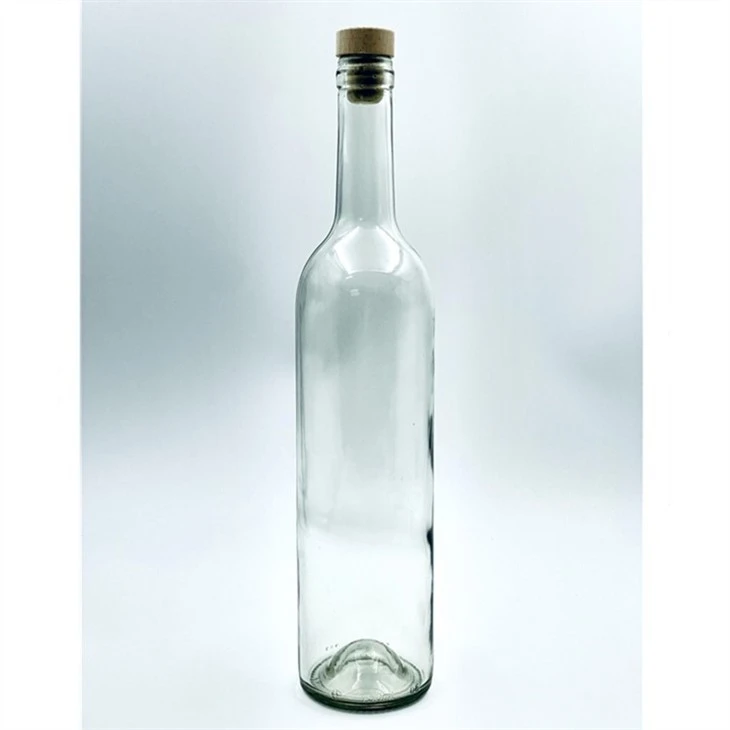
Our quality control team conducts regular inspections to check for any signs of contamination or defects. They use advanced equipment such as microscopes to examine the surface and internal structure of the cork stoppers. If any issues are detected, the affected stoppers are immediately removed from the production line.
Packaging and Storage
Proper packaging and storage are also essential for maintaining the hygiene of cork stoppers. We use clean and hygienic packaging materials, such as food - grade plastic bags or boxes. These packaging materials are designed to protect the cork stoppers from dust, moisture, and other environmental contaminants.
The cork stoppers are stored in a clean and dry warehouse. The warehouse is maintained at a controlled temperature and humidity to prevent the growth of mold and bacteria. We also ensure that the storage area is regularly cleaned and disinfected to maintain a hygienic environment.
Traceability and Documentation
We understand the importance of traceability in the food and beverage industry. For every batch of cork stoppers we produce, we maintain detailed documentation. This documentation includes information about the source of the raw materials, the manufacturing process, the quality control checks, and the packaging details.
In case of any quality issues or concerns, we can easily trace back the entire production process and identify the root cause. This traceability system not only helps us in ensuring the hygiene of our products but also builds trust with our customers.
Conclusion
Ensuring the hygiene of cork stoppers is a multi - step process that starts from the sourcing of raw materials and continues through every stage of production, packaging, and storage. By implementing strict quality control measures, using proper cleaning and sterilization techniques, and maintaining detailed documentation, we can guarantee that our cork stoppers are of the highest hygienic standards.
If you are in the market for high - quality and hygienic cork stoppers, we would love to have a conversation with you. Whether you are a winery, a beverage producer, or any other business that requires cork stoppers, our team is ready to assist you. Please reach out to us to discuss your specific requirements and start a procurement negotiation. We are committed to providing you with the best cork stopper solutions that meet your needs and exceed your expectations.
References
- "Cork: Properties, Applications and Potentialities" by Xavier Pereira.
- "Wine Corks: Science and Practice" by Ricardo Lopes.
- Industry guidelines on cork production and hygiene standards.