

Do cork stoppers allow air to enter the bottle?
Nov 17, 2025
Leave a message
Do cork stoppers allow air to enter the bottle? That's a question I get asked a lot as a cork stopper supplier. And it's a valid one, especially when you're talking about preserving the quality of what's inside that bottle, whether it's wine, olive oil, or some other precious liquid.
Let's start by understanding what cork is. Cork comes from the bark of the cork oak tree. It's a natural, renewable resource, which is pretty cool if you ask me. When you look at a cork stopper up close, it's full of tiny little cells. These cells are what give cork its unique properties.
Now, to answer the big question - yes, cork stoppers do allow a very small amount of air to enter the bottle. But it's not as bad as it might sound. In fact, for some products, like wine, a little bit of air is actually beneficial. Wine is a living thing, and it needs to breathe a bit over time. The slow, controlled ingress of air through the cork helps the wine to age gracefully. It allows the flavors and aromas to develop and become more complex.
The way this works is through a process called micro - oxygenation. The tiny pores in the cork act as channels for air to seep in at a very slow rate. This is much different from if you were to just leave the bottle open, where the wine would quickly oxidize and go bad. With a cork stopper, it's a gentle and gradual process.
But how much air exactly? Well, it's a very small quantity. The rate of air entry can vary depending on a few factors. The quality of the cork is a big one. A high - quality Natural Cork Stopper will have a more consistent structure of those tiny cells, which means a more controlled air exchange. The thickness of the cork also matters. Thicker corks generally allow less air to pass through compared to thinner ones.
The environment where the bottle is stored also plays a role. If the bottle is stored in a place with high humidity, the cork will expand slightly. This can reduce the amount of air that can enter the bottle. On the other hand, in a dry environment, the cork might shrink a bit, potentially allowing more air in.
Now, you might be thinking, “What if I don't want any air to enter the bottle at all?” Well, there are other types of stoppers available, like synthetic corks and screw caps. Synthetic corks are designed to mimic the look and feel of natural cork, but they usually allow less air to enter. Screw caps, on the other hand, provide a very tight seal and can almost completely prevent air from getting in.
But here's the thing. While these alternatives have their advantages, they lack the charm and tradition of natural cork. And for many wine enthusiasts, the natural cork is an essential part of the wine - drinking experience. It's like a little piece of nature that connects the wine to its roots.
When it comes to other products, like olive oil, the story is a bit different. Olive oil doesn't need the same kind of micro - oxygenation as wine. In fact, too much air can cause the olive oil to go rancid. So, for olive oil, a good quality cork stopper that allows only a minimal amount of air in is ideal.
As a cork stopper supplier, I've seen firsthand the importance of getting the right balance. We work hard to source the best cork materials and use advanced manufacturing techniques to ensure that our cork stoppers have the right properties. We test our corks to make sure they allow the appropriate amount of air exchange for different products.
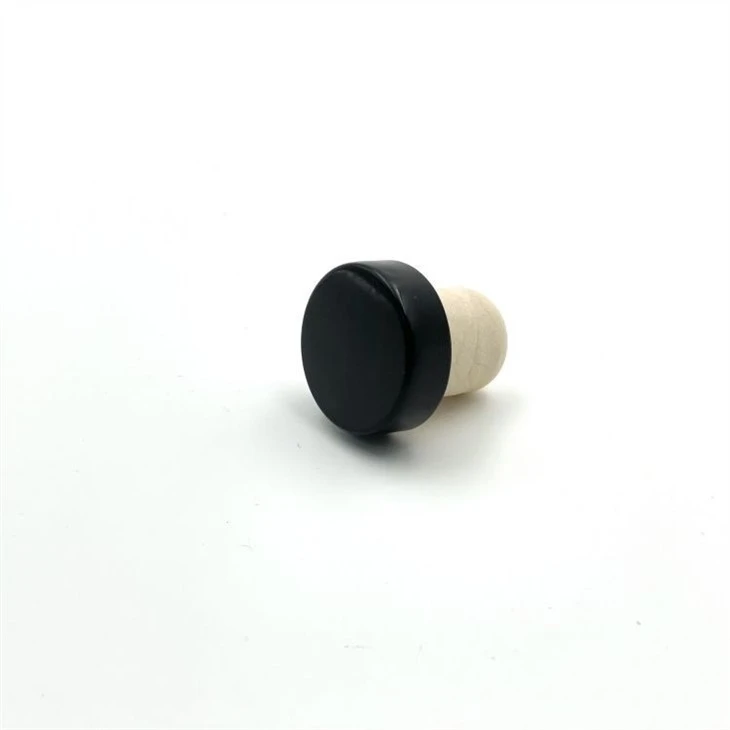
We also offer a range of cork stoppers to meet different needs. Whether you're a winemaker looking for the perfect cork to age your premium wines or a producer of artisanal olive oil, we've got you covered. Our Natural Cork Stopper is made from the finest cork oak bark, carefully selected and processed to ensure high quality.
If you're in the business of bottling products and you're considering your stopper options, I'd encourage you to give natural cork a chance. It's a natural, sustainable choice that can enhance the quality and appeal of your product. And if you have any questions about how much air our cork stoppers allow or which type is best for your product, don't hesitate to reach out. We're here to help you make the right decision.
In conclusion, cork stoppers do allow air to enter the bottle, but in a controlled and often beneficial way. The key is to choose the right cork stopper for your specific product and storage conditions. Whether you're a small - scale producer or a large - scale manufacturer, we can work with you to find the perfect solution. So, if you're interested in learning more about our cork stoppers or want to start a conversation about your procurement needs, just drop us a line. We're looking forward to working with you to preserve the quality of your precious bottled products.

References
- “The Science of Wine Aging” by leading wine research institutions
- “Cork: A Natural Wonder” from cork industry publications