

Are there any potential risks of using a roller bottle with certain substances?
Nov 25, 2025
Leave a message
Hey there! As a roller bottle supplier, I've been getting a lot of questions lately about the potential risks of using roller bottles with certain substances. So, I thought I'd dive deep into this topic and share some insights with you all.
First off, let's talk about what roller bottles are. They're those nifty little bottles with a rolling ball on top, super convenient for applying all sorts of liquids. You've probably seen them used for perfumes, essential oils, and even some skincare products. For instance, our Refillable Roll On Perfume Bottle 10 Ml is a popular choice among customers who like to carry their favorite scents around.
Now, onto the big question: Are there any potential risks? Well, it really depends on the substances you're putting in the roller bottle.
Essential Oils
Essential oils are a common fill for roller bottles, especially in aromatherapy. They're known for their various benefits, like relaxation, stress relief, and even helping with sleep. But here's the thing, some essential oils can be pretty potent. For example, citrus oils like lemon and orange are photosensitive. That means if you apply them to your skin and then go out in the sun, they can cause skin irritation or even sunburn.
Another issue with essential oils is the risk of allergic reactions. Some people might be sensitive to certain oils, like cinnamon or clove oil. These oils can cause redness, itching, or a rash on the skin. So, before you start using a new essential oil in your roller bottle, it's a good idea to do a patch test on a small area of your skin. Just apply a tiny bit of the diluted oil and wait 24 hours to see if there's any reaction.
Perfumes
Perfumes are another popular substance for roller bottles. Our Roll On Perfume Bottle is designed specifically for this purpose. However, perfumes can also pose some risks. Many commercial perfumes contain synthetic fragrances, which can be a trigger for allergies and respiratory problems. Some people might experience headaches, dizziness, or even asthma attacks when exposed to strong perfumes.
Also, the alcohol content in perfumes can be drying to the skin. If you have sensitive skin, the constant application of perfume from a roller bottle might lead to dryness, flakiness, or irritation. To minimize these risks, you can look for perfumes with natural ingredients or those that are labeled as hypoallergenic.
Skincare Products
Skincare products like serums and moisturizers are also great candidates for roller bottles. Our Aromatherapy Roller Bottle can be used for these types of products too. But again, there are potential risks. If the skincare product contains ingredients that you're allergic to, like certain plant extracts or preservatives, it can cause skin problems.
Moreover, if the roller bottle isn't cleaned properly between uses, it can become a breeding ground for bacteria. This can contaminate the skincare product and lead to skin infections. So, it's crucial to clean your roller bottle regularly. You can do this by filling it with warm, soapy water, shaking it well, and then rinsing it thoroughly. Let it dry completely before refilling it.
Chemical Compatibility
Another aspect to consider is the chemical compatibility between the substance and the roller bottle itself. Most roller bottles are made of glass or plastic. Some substances might react with the material of the bottle. For example, certain essential oils can dissolve plastic over time. If you're using essential oils, it's best to choose a glass roller bottle. Glass is inert and won't react with the oils.
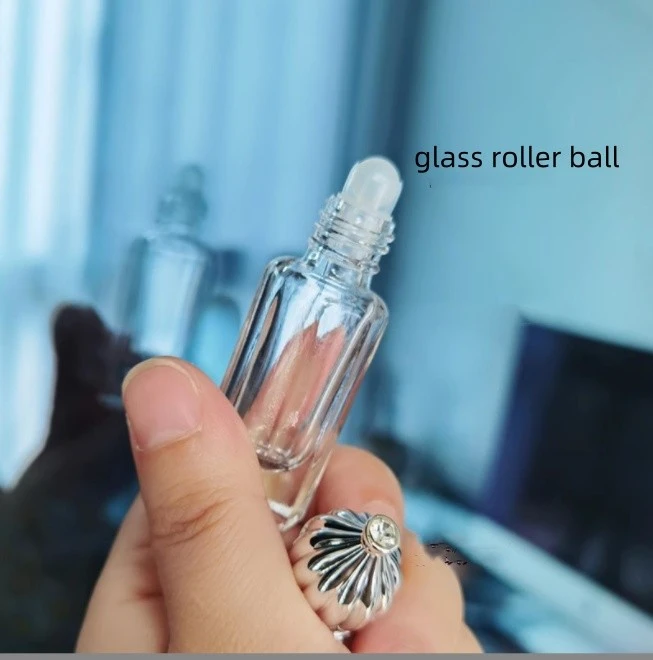

On the other hand, if you're using a water-based substance, a plastic roller bottle might be okay. But make sure it's made of a high-quality plastic that's resistant to chemicals.
Storage
Proper storage of the roller bottle is also important. If you store the bottle in a hot or sunny place, it can cause the substance inside to break down or evaporate. This can not only reduce the effectiveness of the product but also increase the risk of skin irritation. For example, if an essential oil breaks down, it might release harmful by-products that can irritate the skin.
So, store your roller bottles in a cool, dark place, like a drawer or a cabinet. This will help preserve the quality of the substance and reduce the potential risks.
Tips to Minimize Risks
- Dilute Properly: If you're using essential oils, always dilute them with a carrier oil like coconut oil or jojoba oil. This will reduce the potency of the essential oil and lower the risk of skin irritation.
- Choose Quality Products: Whether it's the roller bottle or the substance you're putting in it, choose high-quality products. This will reduce the chances of allergic reactions and chemical incompatibilities.
- Read Labels: Always read the labels of the substances you're using. This will help you identify any potential allergens or harmful ingredients.
- Clean Regularly: As mentioned earlier, clean your roller bottle regularly to prevent bacteria growth.
In conclusion, while there are potential risks of using a roller bottle with certain substances, these risks can be minimized with proper precautions. By being aware of the substances you're using, their potential risks, and taking the necessary steps to reduce those risks, you can safely enjoy the convenience of roller bottles.
If you're interested in purchasing roller bottles for your business or personal use, feel free to reach out to us. We're here to help you find the right roller bottles for your needs. Whether you're looking for a Refillable Roll On Perfume Bottle 10 Ml, a Roll On Perfume Bottle, or an Aromatherapy Roller Bottle, we've got you covered. Let's start a conversation about your requirements and see how we can work together!
References
- Tisserand, R., & Young, R. (2014). Essential Oil Safety: A Guide for Health Care Professionals. Churchill Livingstone Elsevier.
- Leung, A. Y., & Foster, S. (1996). Encyclopedia of Common Natural Ingredients Used in Food, Drugs, and Cosmetics. John Wiley & Sons.