

Are there any health risks associated with handling beer crown caps?
Oct 21, 2025
Leave a message
As a long - standing supplier of Beer Crown Caps, I've had numerous inquiries regarding the potential health risks associated with handling these seemingly innocuous items. In this blog, I'll delve into the scientific aspects to provide a comprehensive understanding of whether handling beer crown caps poses any health threats.
Material Composition and Safety
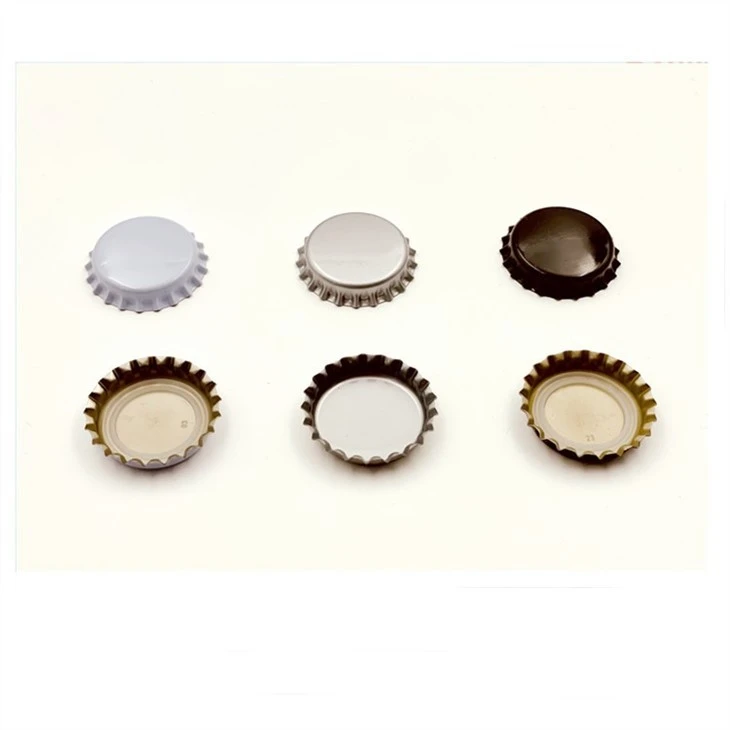
Beer crown caps are typically made from tin - plated steel or aluminum. Tin - plated steel is a popular choice due to its durability and ability to provide an air - tight seal. Tin is a non - toxic metal, and in the context of beer crown caps, the tin plating acts as a protective layer. It prevents the steel from coming into direct contact with the beer, which could potentially lead to corrosion and affect the taste and quality of the beverage.
Aluminum crown caps are also common. Aluminum is lightweight, recyclable, and resistant to corrosion. From a health perspective, aluminum is generally considered safe for use in food and beverage packaging. The human body can tolerate small amounts of aluminum intake, and the amounts that might be transferred during normal handling of crown caps are negligible.
The manufacturing process of beer crown caps involves strict quality control measures. The materials used must meet food - grade standards set by regulatory bodies such as the Food and Drug Administration (FDA) in the United States and the European Food Safety Authority (EFSA) in Europe. These standards ensure that the materials are free from harmful contaminants and substances that could pose a risk to human health.
Physical Hazards
One of the most obvious concerns when handling beer crown caps is the risk of cuts. Crown caps have sharp edges, especially when they are newly manufactured or have been damaged. A simple mishandling can result in a small cut on the finger or hand. While these cuts are usually minor, they still need to be properly cleaned and treated to prevent infection.
To minimize the risk of cuts, it is recommended to use appropriate handling tools. For example, in a manufacturing or packaging environment, workers can use tweezers or pliers to pick up the crown caps. When opening a beer at home, using a bottle opener is the safest way to remove the cap.
Chemical Contamination
During the manufacturing process, beer crown caps may be treated with various chemicals for different purposes. For instance, they might be coated with a lacquer to enhance their appearance and protect the metal from corrosion. These coatings are carefully formulated to be non - toxic and compliant with food - contact regulations.
However, there is a very small risk of chemical contamination if the crown caps are stored in improper conditions. For example, if they are stored in an environment with high humidity or in contact with chemicals, the coatings may degrade over time, releasing potentially harmful substances. To ensure the safety of the crown caps, proper storage conditions should be maintained. They should be stored in a dry, cool place away from chemicals and other contaminants.
Microbiological Risks
Microorganisms can potentially contaminate beer crown caps. This can happen during the manufacturing process if the production environment is not properly sanitized. Additionally, if the crown caps are exposed to a dirty or unhygienic environment during storage or transportation, they can become contaminated with bacteria, fungi, or other pathogens.
To prevent microbiological contamination, manufacturers implement strict hygiene protocols. The production facilities are regularly cleaned and disinfected, and the crown caps are often packaged in sealed containers to protect them from external contaminants. When handling the crown caps, it is also important to maintain good personal hygiene. Workers in the manufacturing and packaging industry should wear gloves and wash their hands regularly.
Allergic Reactions
Although rare, some individuals may be allergic to the materials used in beer crown caps. For example, people with a nickel allergy may experience an allergic reaction if they come into contact with nickel - containing components in the crown caps. Nickel is sometimes used in the plating or alloying process of the metal.
If someone suspects that they have an allergic reaction to a beer crown cap, they should seek medical advice. To avoid allergic reactions, it is important for manufacturers to clearly label the composition of the crown caps, so that consumers with known allergies can make informed decisions.
Industry Standards and Regulations
The beer crown cap industry is highly regulated to ensure the safety of the products. As mentioned earlier, regulatory bodies around the world set strict standards for the materials, manufacturing processes, and storage conditions of beer crown caps. These standards are regularly updated to keep up with the latest scientific research and technological advancements.
Manufacturers are required to conduct regular quality control tests to ensure that their products meet these standards. They also need to keep detailed records of the manufacturing process, including the sources of the materials, the treatment methods, and the quality control results. This transparency helps to ensure that any potential health risks can be quickly identified and addressed.
Conclusion
In conclusion, while there are some potential health risks associated with handling beer crown caps, these risks are generally low if proper handling and storage procedures are followed. The materials used in beer crown caps are carefully selected and tested to ensure their safety, and the manufacturing process is strictly regulated to prevent contamination.
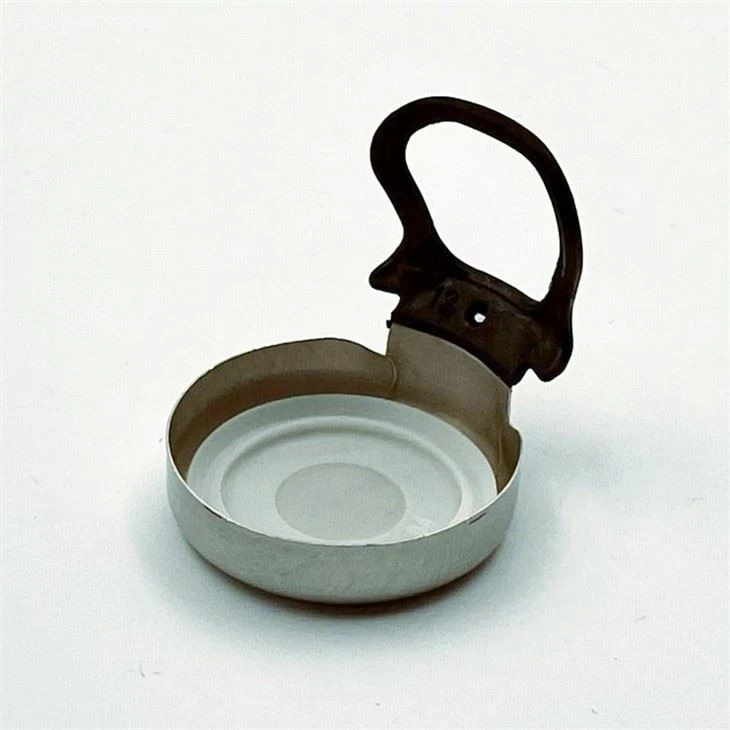
As a Beer Crown Cap supplier, we are committed to providing high - quality and safe products. We adhere to all the relevant industry standards and regulations to ensure that our crown caps meet the highest safety requirements. If you are in the market for Beer Crown Cap or Ring Pull Crown Cap, we invite you to contact us for more information and to discuss your procurement needs. We are always ready to provide you with the best solutions and products that meet your specific requirements.
References
- Food and Drug Administration (FDA). "Food Contact Substances Notification Program."
- European Food Safety Authority (EFSA). "Guidelines on Food Contact Materials."
- Occupational Safety and Health Administration (OSHA). "Safety Guidelines for Handling Sharp Objects in the Workplace."