

Are plastic caps suitable for cold storage?
Oct 03, 2025
Leave a message
Hey there! I'm a supplier of plastic caps, and today I want to dig into a question that might not come up too often but is super important: Are plastic caps suitable for cold storage?
Let's start by understanding what cold storage means. Cold storage is basically keeping stuff at low temperatures, usually between 0°C to 8°C. It's commonly used in the food and beverage industry, as well as in pharmaceuticals. The goal is to slow down the growth of bacteria and other microorganisms, thus extending the shelf - life of products.
Now, when it comes to plastic caps, they're everywhere. You see them on bottles of water, juice, medicine, and so many other things. But can they handle the cold?
The Properties of Plastic Caps
Plastic caps are made from different types of plastics, like polyethylene (PE), polypropylene (PP), and polyethylene terephthalate (PET). Each of these plastics has its own set of properties.
PE is known for being flexible and having good chemical resistance. It can withstand a wide range of temperatures, but when it gets really cold, it can become a bit brittle. PP, on the other hand, is more rigid and has better heat resistance. It also has a relatively good performance in cold temperatures, but it can still be affected by extreme cold. PET is strong and clear, often used for beverage bottles. It can handle cold storage to some extent, but it might experience some shrinkage or changes in its mechanical properties.
How Cold Storage Affects Plastic Caps
One of the main issues with cold storage is that it can cause the plastic to contract. When plastic contracts, it might not seal the bottle as tightly as it should. A loose seal can lead to all sorts of problems. For food and beverage products, it can let in air, which can cause oxidation and spoilage. In the case of pharmaceuticals, it can compromise the integrity of the medicine, making it less effective.
Another problem is the potential for the plastic to become brittle. As the temperature drops, the molecular structure of the plastic changes. The chains that make up the plastic become less flexible, and the cap can crack more easily. If a cap cracks, it's no longer doing its job of protecting the contents of the bottle.

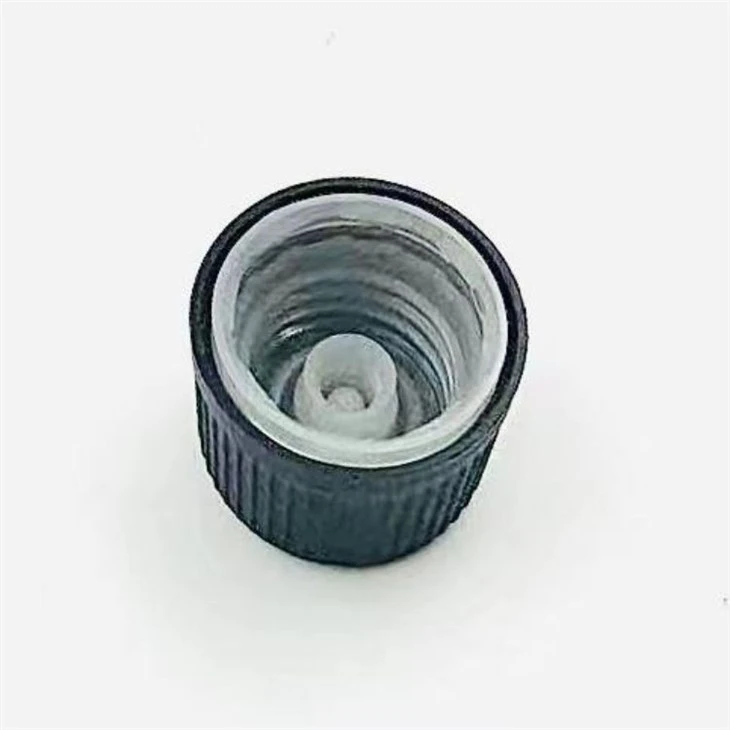
Advantages of Using Plastic Caps in Cold Storage
Despite the challenges, there are also some advantages to using plastic caps in cold storage.
First of all, plastic caps are lightweight. This is a big deal when it comes to shipping and handling. Less weight means lower transportation costs, which is great for businesses.
Secondly, plastic caps are relatively inexpensive to produce. Compared to other types of caps, like metal ones, plastic caps can be made in large quantities at a low cost. This makes them a popular choice for many manufacturers.
Also, plastic caps can be designed in a variety of shapes and sizes. They can have different types of closures, such as screw - on, snap - on, or flip - top. This flexibility allows them to be used for different types of products and packaging.
Testing Plastic Caps for Cold Storage
As a plastic cap supplier, I know how important it is to test our products for cold storage. We conduct a series of tests to make sure that our caps can withstand the low temperatures.
One of the tests we do is the cold shock test. In this test, we expose the caps to a sudden drop in temperature. We put the caps in a freezer set at a very low temperature, usually around - 20°C, for a certain period of time. Then we take them out and check for any signs of damage, like cracks or deformation.
We also do a seal integrity test. After the caps have been exposed to cold storage conditions, we check if they can still create a tight seal on the bottle. We use special equipment to measure the pressure inside the bottle and make sure that there are no leaks.
Our Solutions for Cold Storage
At our company, we've developed some solutions to make our plastic caps more suitable for cold storage.
We use additives in the plastic formulation. These additives can improve the flexibility and toughness of the plastic, reducing the risk of cracking in cold temperatures.
We also optimize the design of our caps. For example, we make the walls of the cap a bit thicker in certain areas to provide more strength. And we use special sealing mechanisms that can adapt to the contraction of the plastic in cold storage.
The Importance of Choosing the Right Plastic Cap for Cold Storage
If you're a manufacturer looking to store your products in cold storage, choosing the right plastic cap is crucial. You need to consider the type of product you're storing, the temperature range of the cold storage, and the duration of storage.
For food and beverage products, you want a cap that can provide a tight seal to prevent spoilage. You might also want a cap that is easy to open for the consumer. Plastic Child Proof Cap can be a great option if you're dealing with products that need to be kept out of reach of children.
For pharmaceutical products, the cap needs to be able to protect the medicine from moisture, air, and light. It should also be able to maintain its integrity over a long period of time.
Conclusion
So, are plastic caps suitable for cold storage? The answer is yes, but with some considerations. While cold storage can pose challenges to plastic caps, with the right design, materials, and testing, plastic caps can work well in cold environments.
As a plastic cap supplier, we're constantly working to improve our products to meet the needs of our customers. We understand the importance of providing high - quality caps that can withstand the rigors of cold storage.
If you're in the market for plastic caps for cold storage, I'd love to have a chat with you. We can discuss your specific requirements and find the best solution for your business. Whether you're in the food, beverage, or pharmaceutical industry, we have the expertise and the products to meet your needs. Reach out to us, and let's start a conversation about how we can work together!
References
- "Plastics in Packaging: Properties and Performance" by Rosato, David V., and Dominick V. Rosato.
- "Handbook of Plastic Films" edited by Sachin S. Deshmukh and Prakash M. Bhosale.