

Are glass bottles safe for hot liquids?
Sep 29, 2025
Leave a message
Are glass bottles safe for hot liquids?
As a glass bottle supplier, I often get asked whether glass bottles are safe for holding hot liquids. It's a valid concern, especially considering the potential risks associated with thermal stress and breakage. In this blog post, I'll delve into the science behind glass bottles and their suitability for hot liquids, providing you with the information you need to make an informed decision.
The Science of Glass and Thermal Stress
Glass is a non - crystalline solid that is made primarily from silica, soda ash, and limestone. One of the key properties of glass is its coefficient of thermal expansion (CTE). The CTE measures how much a material expands or contracts in response to a change in temperature. Different types of glass have different CTE values, which play a crucial role in determining their resistance to thermal stress.
When a glass bottle is exposed to hot liquids, the inner surface of the glass heats up and expands. If the outer surface of the glass does not heat up at the same rate, it creates a stress gradient within the glass. This stress can cause the glass to crack or shatter, especially if the temperature difference between the inner and outer surfaces is too large.
Types of Glass Bottles and Their Suitability for Hot Liquids
There are several types of glass used in the manufacturing of bottles, each with its own characteristics.

Soda - Lime Glass
Soda - lime glass is the most common type of glass used for everyday glass bottles, such as those for beverages, food, and cosmetics. It has a relatively high coefficient of thermal expansion. This means that it can be more prone to cracking or breaking when exposed to sudden temperature changes. For example, pouring boiling water directly into a soda - lime glass bottle is not recommended, as the rapid expansion of the inner glass layer can create enough stress to cause it to break. However, if the temperature change is gradual, soda - lime glass can still be used for moderately hot liquids.
Borosilicate Glass
Borosilicate glass is a type of glass that contains boron trioxide. It has a much lower coefficient of thermal expansion compared to soda - lime glass. This makes it highly resistant to thermal shock. Borosilicate glass bottles can withstand rapid temperature changes, such as going from a freezer to a hot oven or having boiling water poured directly into them. As a result, borosilicate glass is an excellent choice for holding hot liquids, including boiling water, coffee, and tea.
Factors Affecting the Safety of Glass Bottles with Hot Liquids
Apart from the type of glass, there are other factors that can affect the safety of using glass bottles for hot liquids.
Thickness of the Glass
Thicker glass bottles can be more resistant to thermal stress because they can better distribute the heat. However, if the glass is too thick, it may also take longer for the heat to transfer through the glass, which can create a larger temperature difference between the inner and outer surfaces. A well - designed glass bottle will have an appropriate thickness that balances heat transfer and stress resistance.
Shape of the Bottle
The shape of the glass bottle can also impact its ability to handle hot liquids. Bottles with a more uniform shape and fewer sharp corners or edges are generally better at distributing stress. Sharp corners can act as stress concentrators, making the bottle more likely to break under thermal stress.
Pre - heating the Bottle
Pre - heating a glass bottle before adding hot liquids can help reduce the temperature difference between the inner and outer surfaces. This can be done by filling the bottle with warm water first and then emptying it before adding the hot liquid. This simple step can significantly reduce the risk of breakage.
Safety Precautions When Using Glass Bottles for Hot Liquids
Even if you are using a borosilicate glass bottle, it's still important to take some safety precautions.
- Avoid sudden temperature changes: Don't move a glass bottle from a very cold environment to a very hot one, or vice versa, without allowing it to adjust gradually.
- Use a protective sleeve: A silicone or fabric sleeve can provide an extra layer of protection in case the glass breaks. It can also make the bottle more comfortable to hold when it's hot.
- Inspect the bottle regularly: Look for any signs of damage, such as cracks or chips, before using the bottle for hot liquids. A damaged bottle is more likely to break under stress.
Our Glass Bottle Offerings
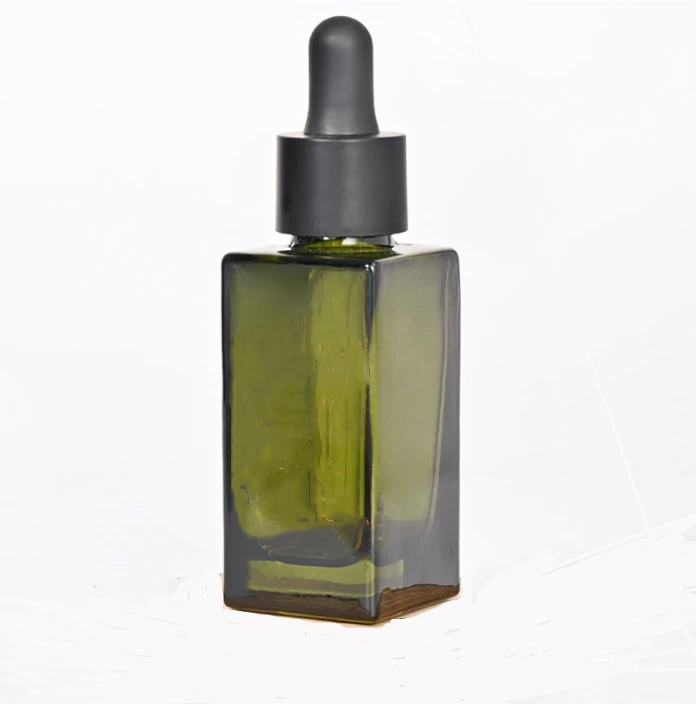
As a glass bottle supplier, we offer a wide range of glass bottles suitable for different applications. If you are looking for a glass bottle for hot liquids, our Square Oil Dropper Bottle made of borosilicate glass is an excellent option. It combines the durability of borosilicate glass with a stylish square design. The dropper feature makes it convenient for dispensing hot liquids in small amounts, and the square shape provides stability on the countertop.
Conclusion
In conclusion, glass bottles can be safe for hot liquids, but it depends on the type of glass, the design of the bottle, and how it is used. Borosilicate glass bottles are the safest option for holding hot liquids, especially those that may experience rapid temperature changes. Soda - lime glass bottles can also be used for moderately hot liquids if the temperature change is gradual.
If you are in the market for glass bottles for hot liquids, we invite you to contact us for more information and to discuss your specific requirements. Our team of experts is ready to assist you in finding the perfect glass bottle solution for your needs.
References
- "The Science of Glass" by Glass Association of North America.
- "Thermal Properties of Glass" in the Journal of Glass Science and Technology.
- "Safe Use of Glass Containers for Food and Beverages" by the Food and Drug Administration.